Danyan Xie (谢丹艳)
5.0·
Basic Information
Contact
You can also post on our platform to quickly reach over 10,000 caregivers.
Skill Assessments
✅ Assessed 0/6·🏅 Advanced 0/6
Safety & First Aid
Basic examInfant Illness Care
Basic examCommunication & Collaboration
Basic examChildcare English
Basic examDaily Care
Basic examChild Development
Basic examAbout me
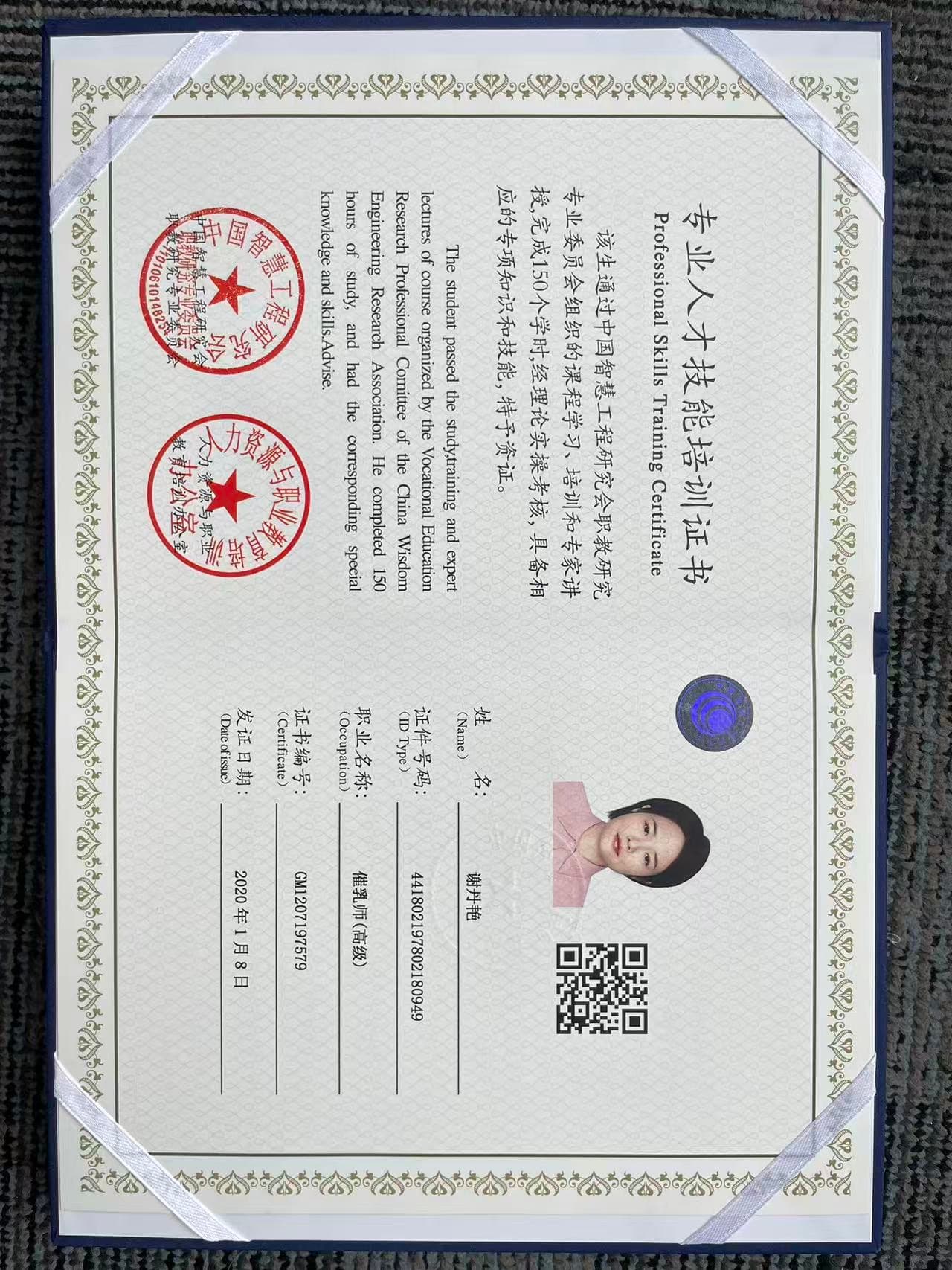
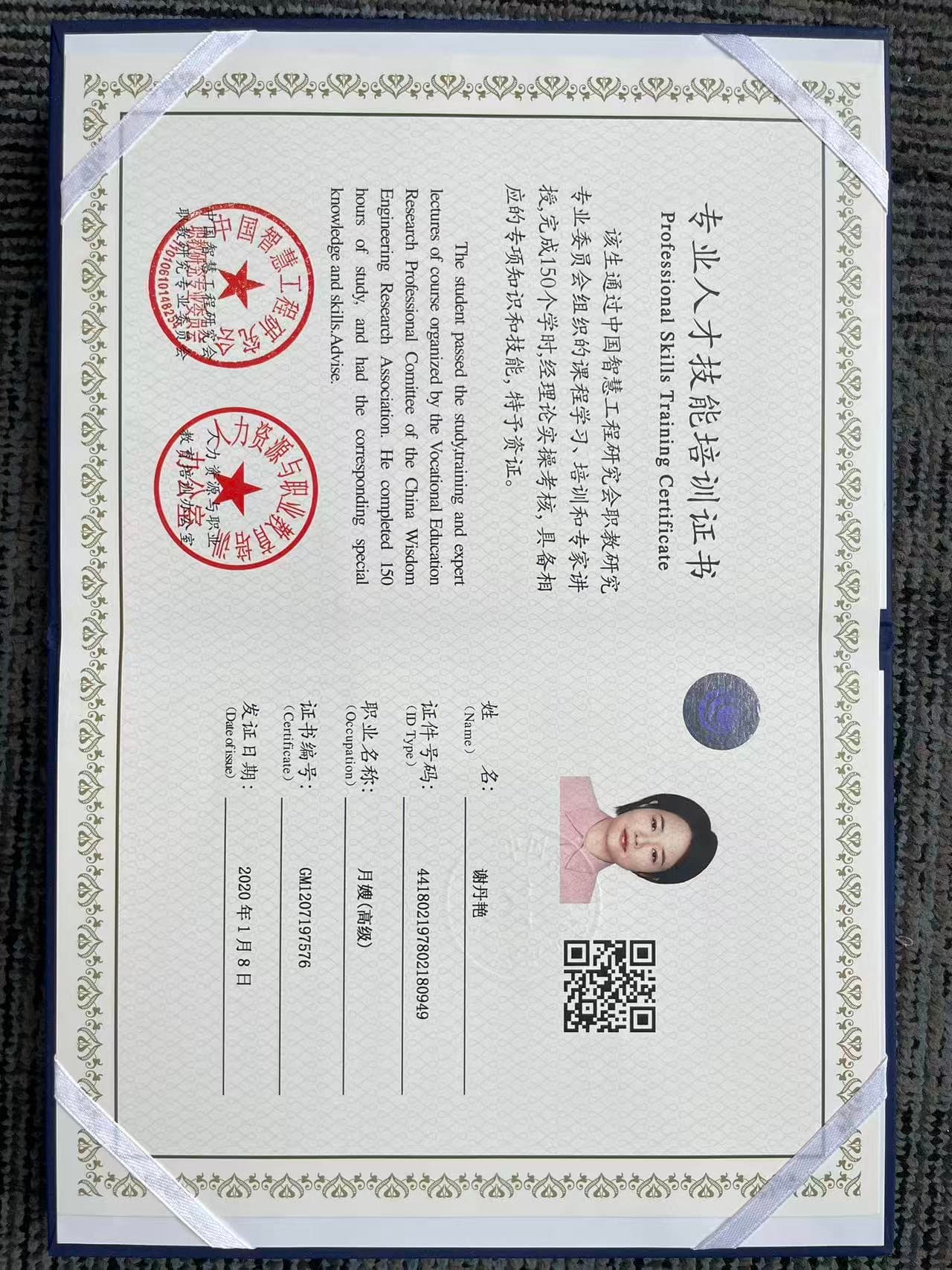
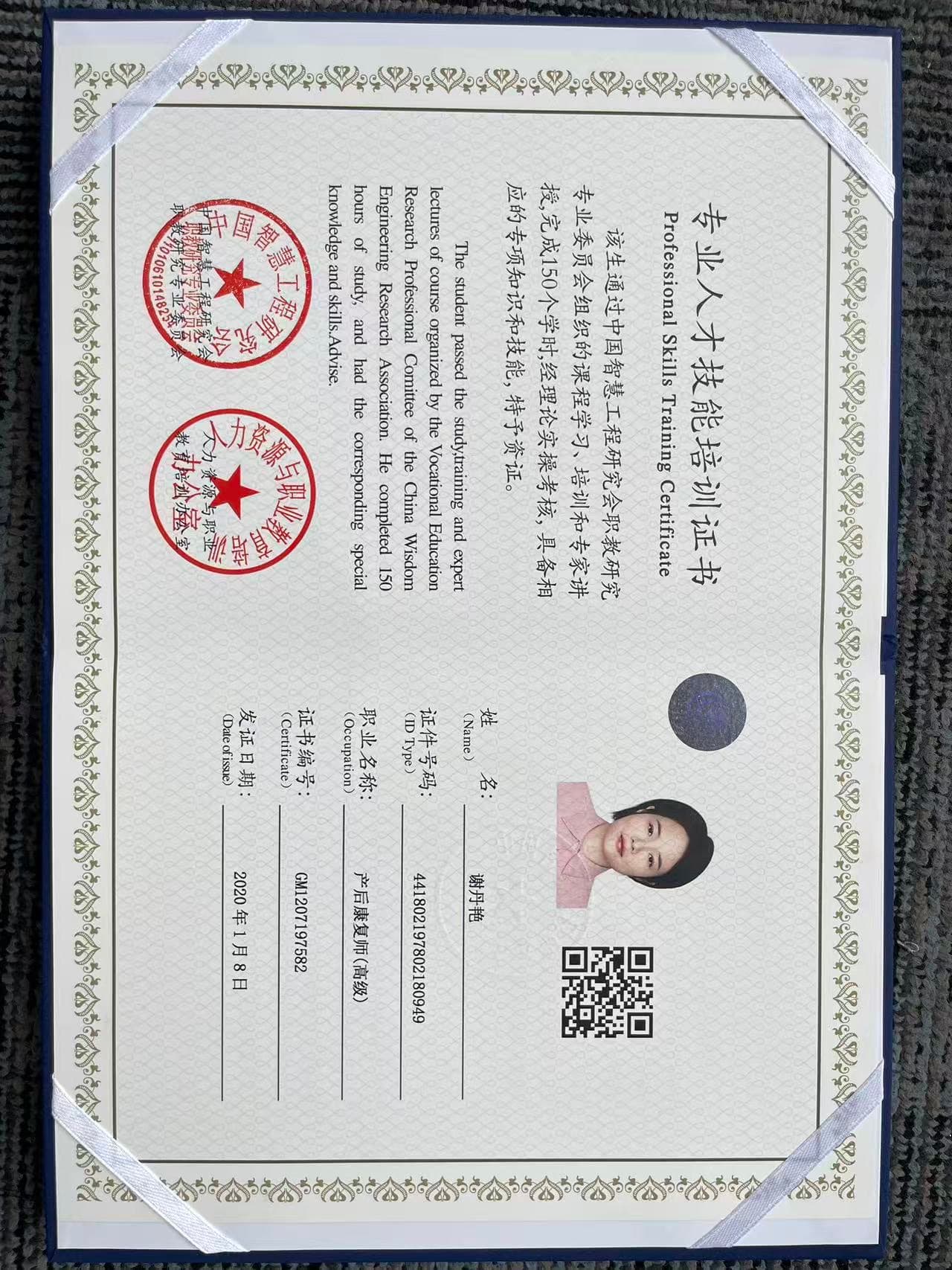
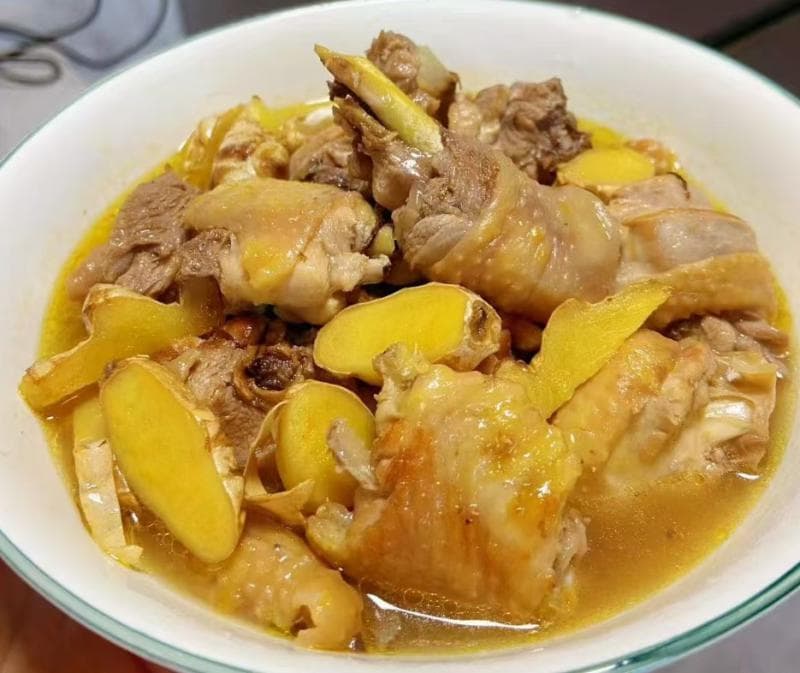
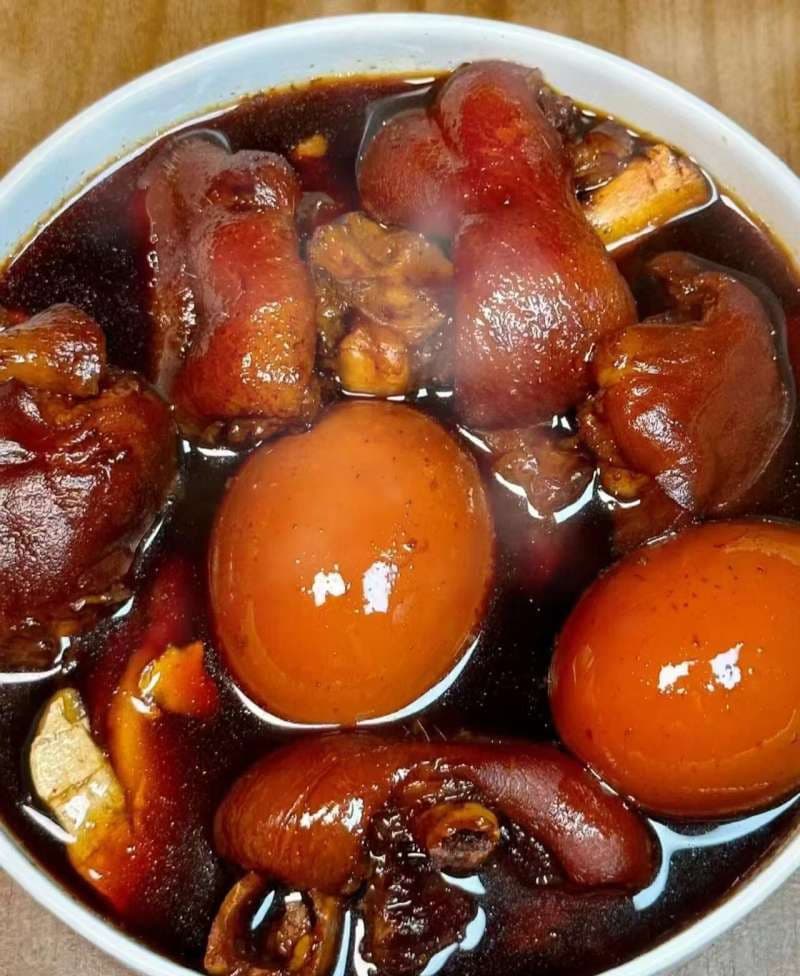
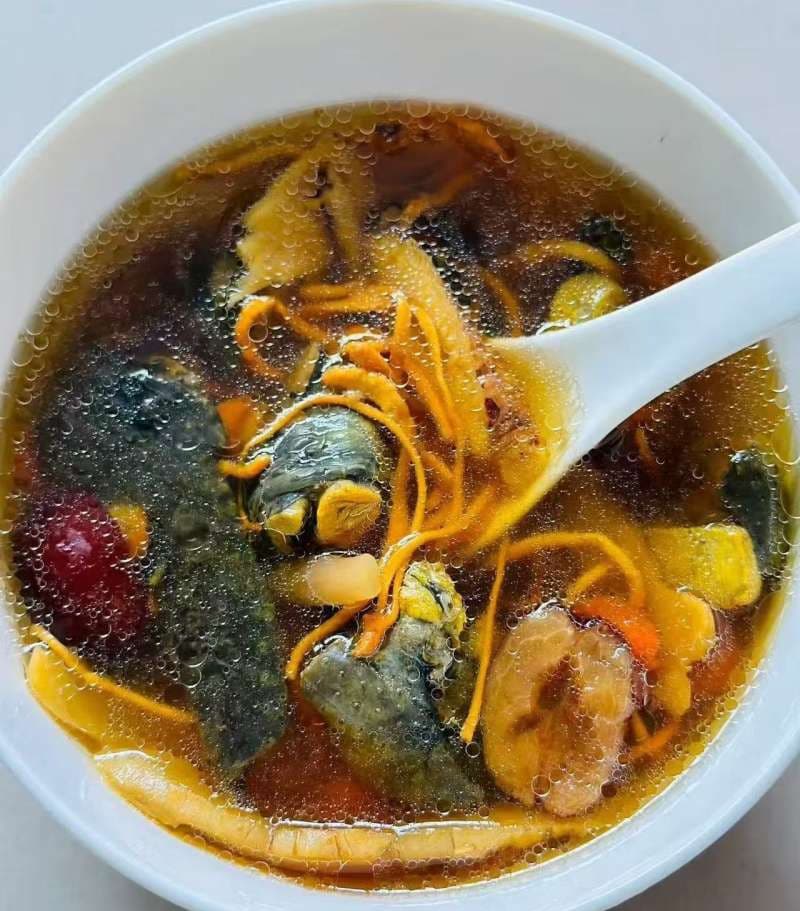
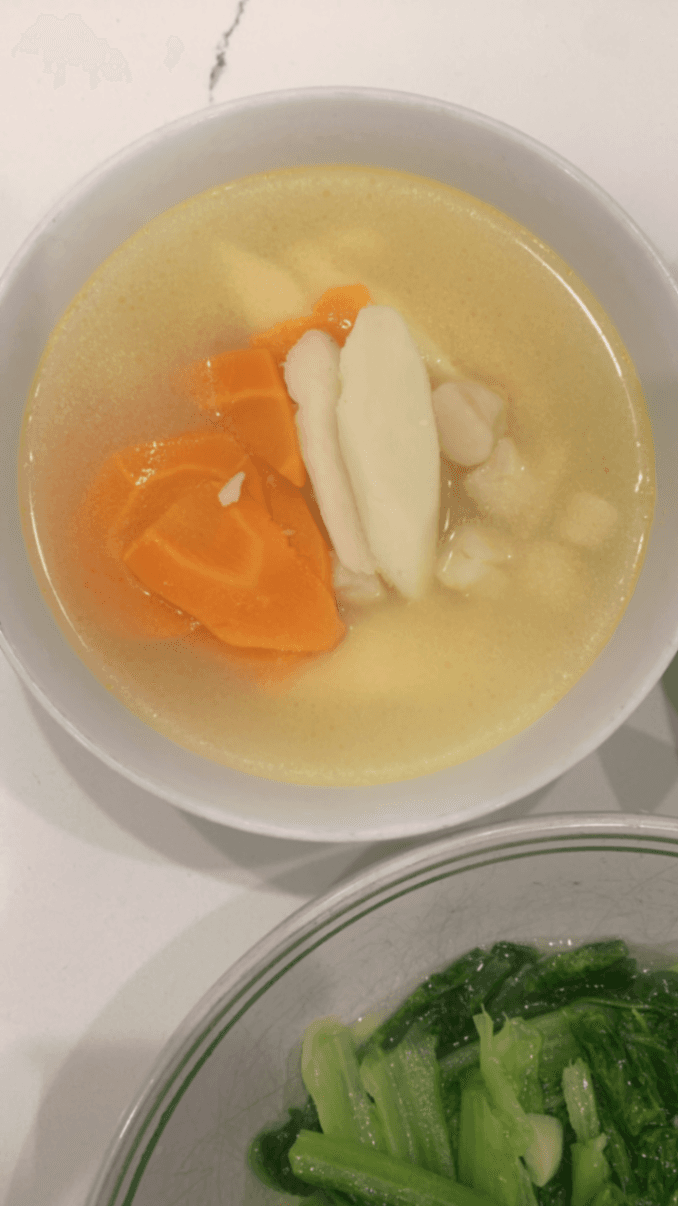
广东人,月嫂经验7年,前后护理过50+新生儿宝宝,性格开朗,容易沟通,尊重宝爸宝妈的育儿观念,曾修习过中医课程,对宝妈产后身体气虚血虚调理,有丰富的月子饮食知识,熟悉人体穴位,可通过自有手法帮助宝妈缓解产后腰酸背痛,睡眠不好等不适,本人身份合法,每年定期进行身体检查,身体健康,疫苗齐全
Photos
Employer Reviews
5.0
1 employer review in the last 2 years
2 hours ago·SEATTLE, WA
Translated from Chinese·
At my 42-day postpartum checkup, the doctor looked at my complete blood count and said, “You’ve recovered very well—your qi and blood have been replenished.” The first person I wanted to share that with was Auntie Xie, our postpartum nanny.
Honestly, in the first few days after giving birth, I felt completely depleted—my complexion was waxy yellow, I would break into a cold sweat with even a little movement, my milk took a long time to come in, and I often woke up at night because my hands and feet were cold. On her first day, Auntie Xie felt my wrist and looked at my tongue coating, then told me confidently, “You have a typical qi-and-blood deficiency. Don’t worry—give me two weeks of food therapy and I’ll help you recover.” Later I learned that she had seriously studied traditional Chinese medicine; it was not just talk. She could clearly explain which meridian each ingredient benefits and which body types should avoid what. Even my mother-in-law, a devoted wellness enthusiast, was convinced by her.
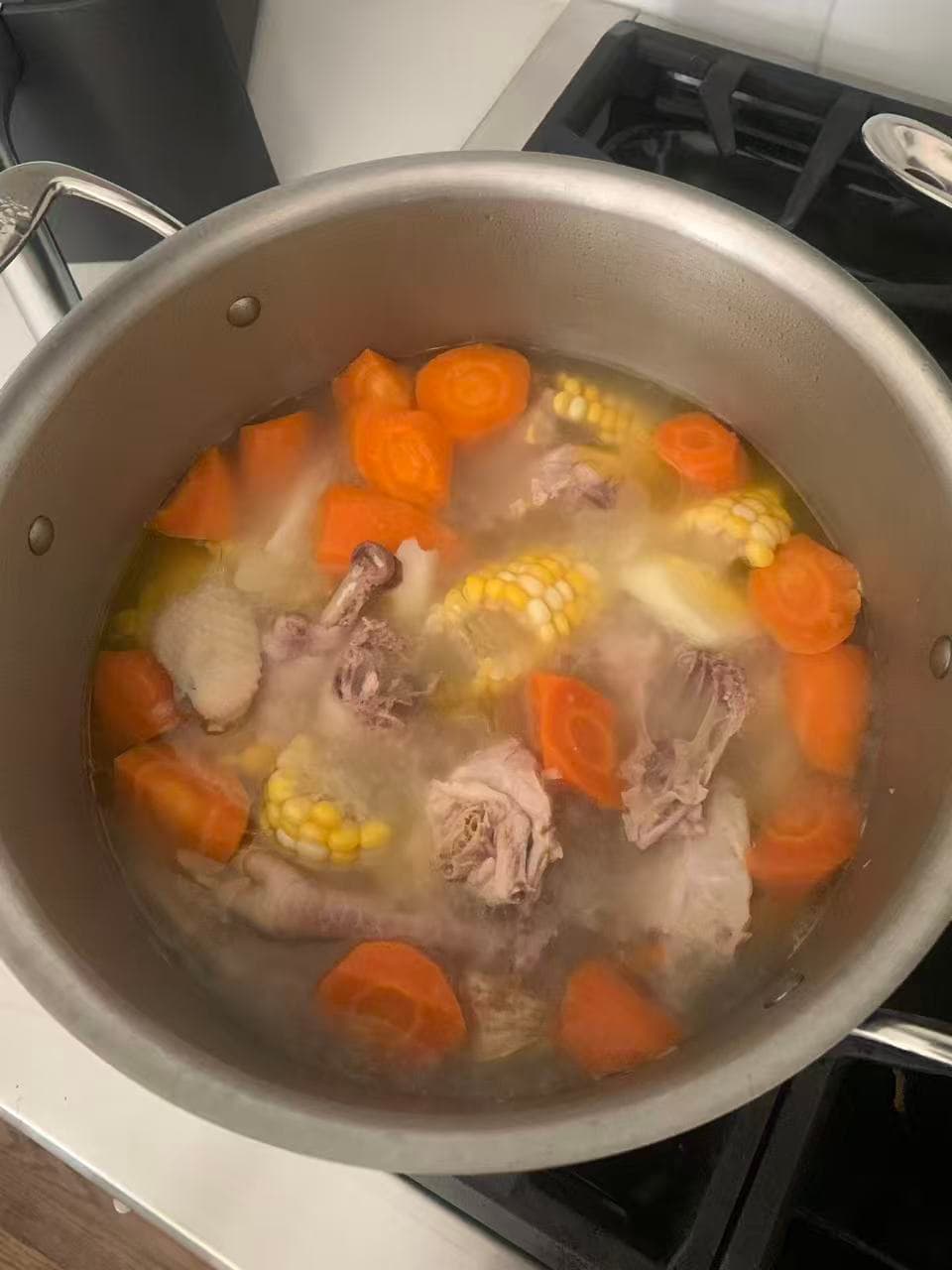
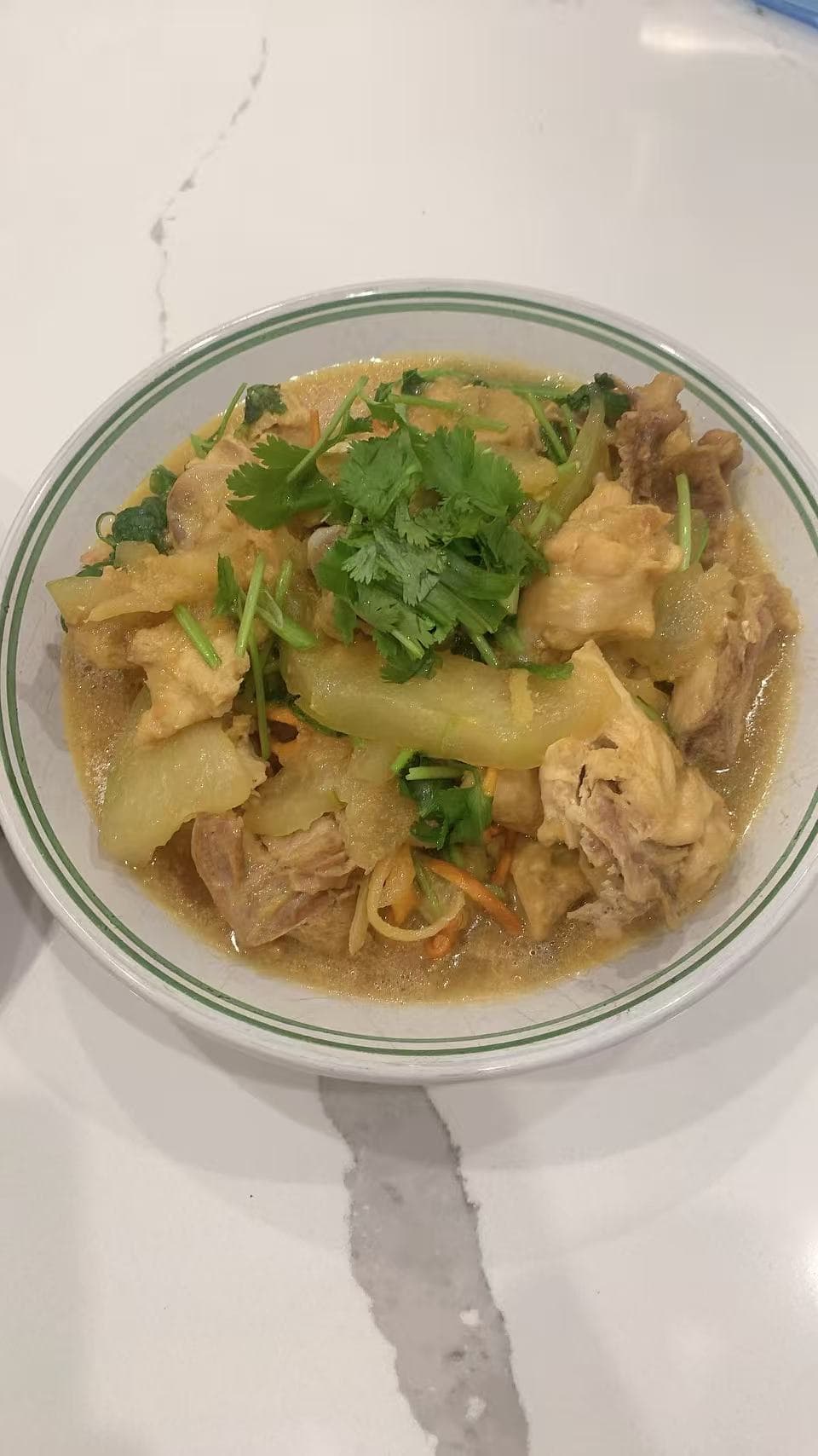
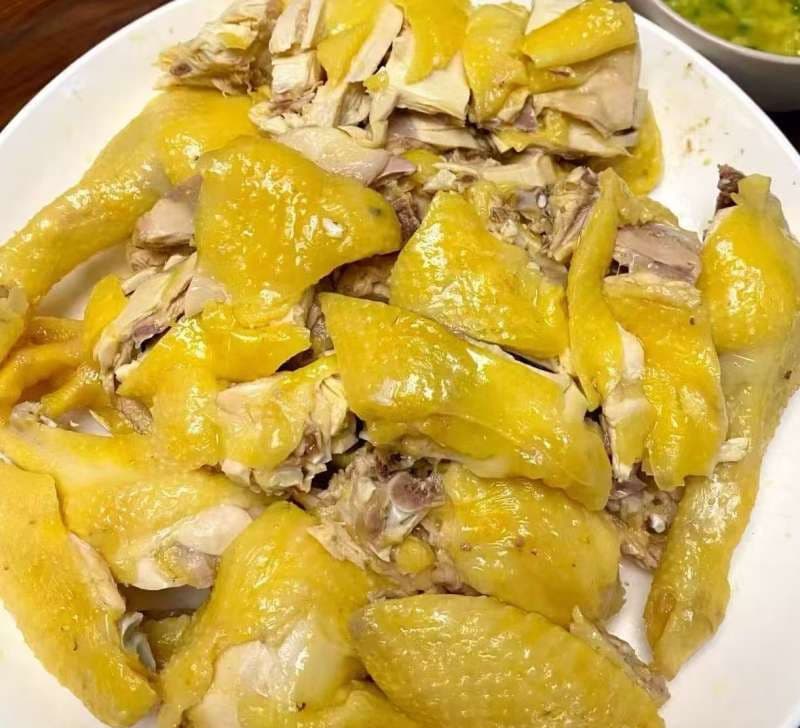
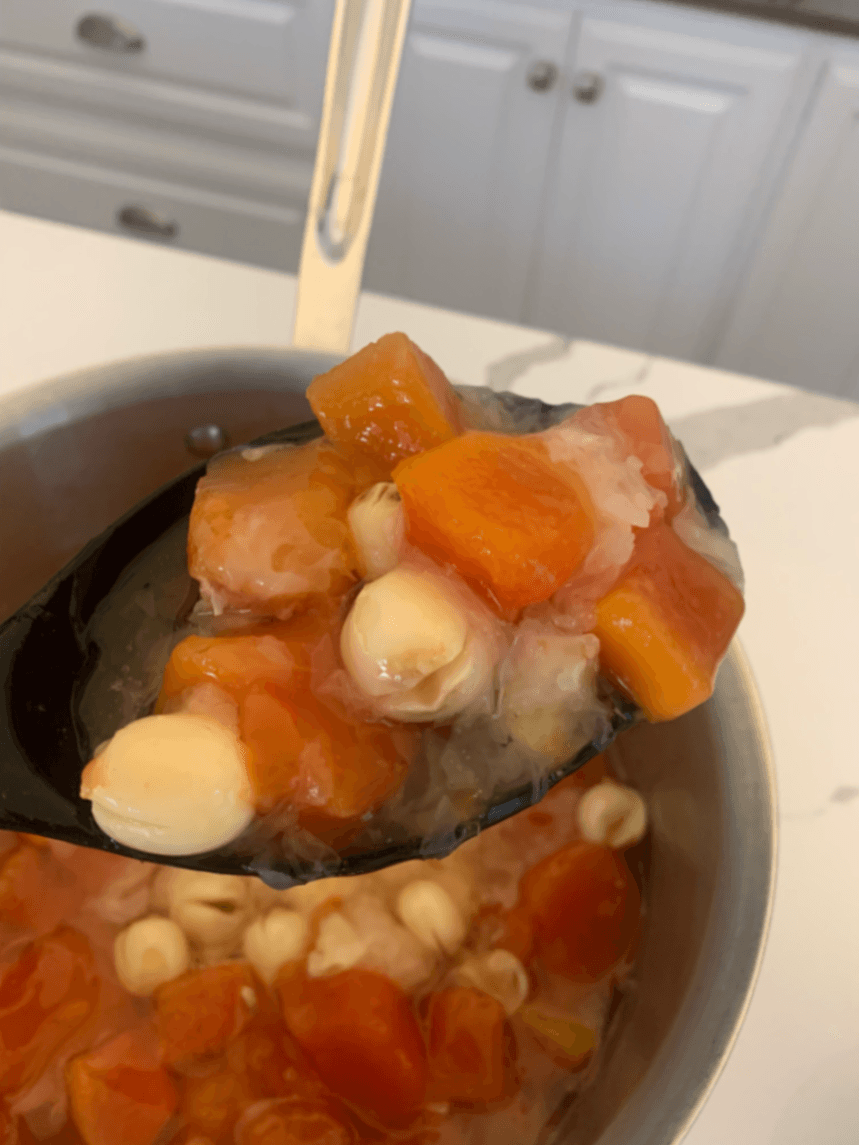
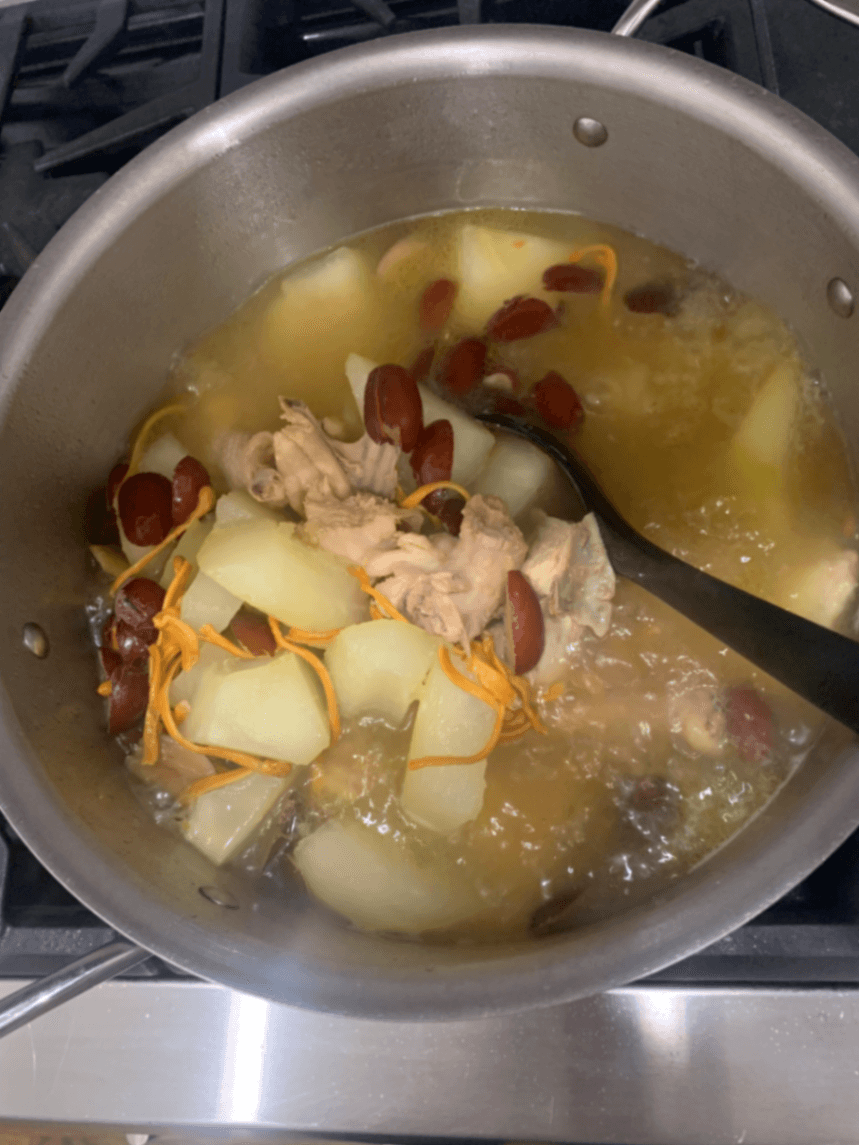
Auntie is from Guangdong, and making soup truly seems to be in her bones. Her soups were never the bland, tasteless kind of “confinement water.” Every day, there was a pot gently simmering on the stove. The pork rib soup with corn and carrots was sweet and light without being greasy; winter melon and coix seed were cooked until perfectly tender; dried tofu skin soaked up all the broth. Auntie said soup-making depends on heat control and timing: bones need to go into cold water first so the blood foam can be skimmed off, while corn and carrots should be added later to preserve their sweetness. She would also wrap medicinal ingredients in gauze and tie the bundle before adding it to the pot, saying it keeps the soup clear rather than cloudy and prevents the herbs from overpowering the flavor. I used to be most afraid of soups with a strong medicinal taste, but every bowl she made was fresh and clean, with a naturally sweet aftertaste. I could actually finish two big bowls, soup and ingredients included.
She truly knows how to replenish qi and blood. Rather than crudely forcing down brown-sugar water, she organized my diet in stages: the first week focused on gently helping discharge lochia; the second week added astragalus, angelica root, and five-red soup; the third week included donkey-hide gelatin, longan, and black-bone chicken. I lost less hair, my complexion gradually changed from waxy yellow back to rosy pale, and the most noticeable improvement during my confinement period was my sleep. I used to wake up four or five times a night, but later I could sleep continuously for five or six hours. Even a postpartum nanny friend who came to visit said, “You really don’t look like someone who just gave birth.”
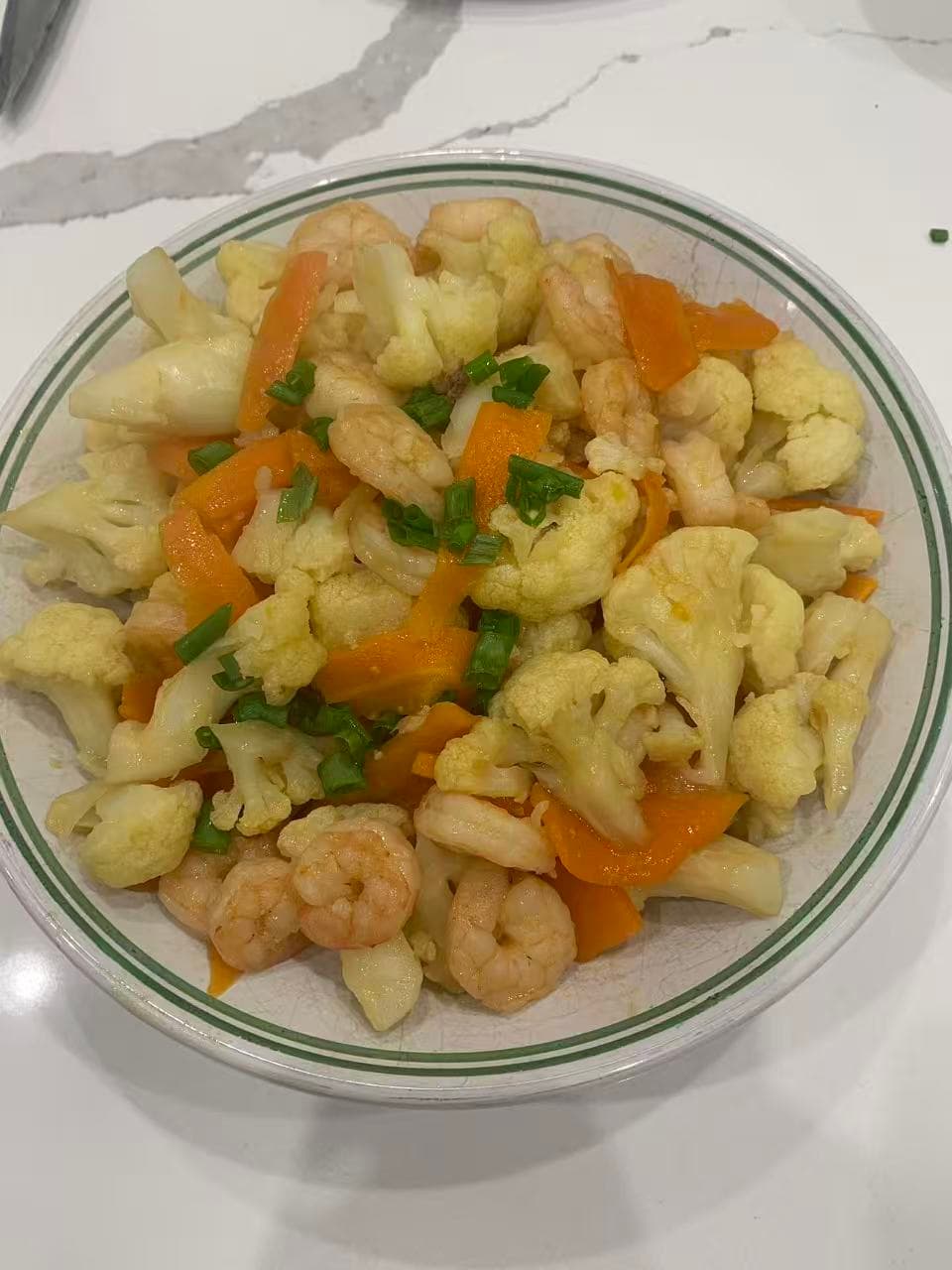
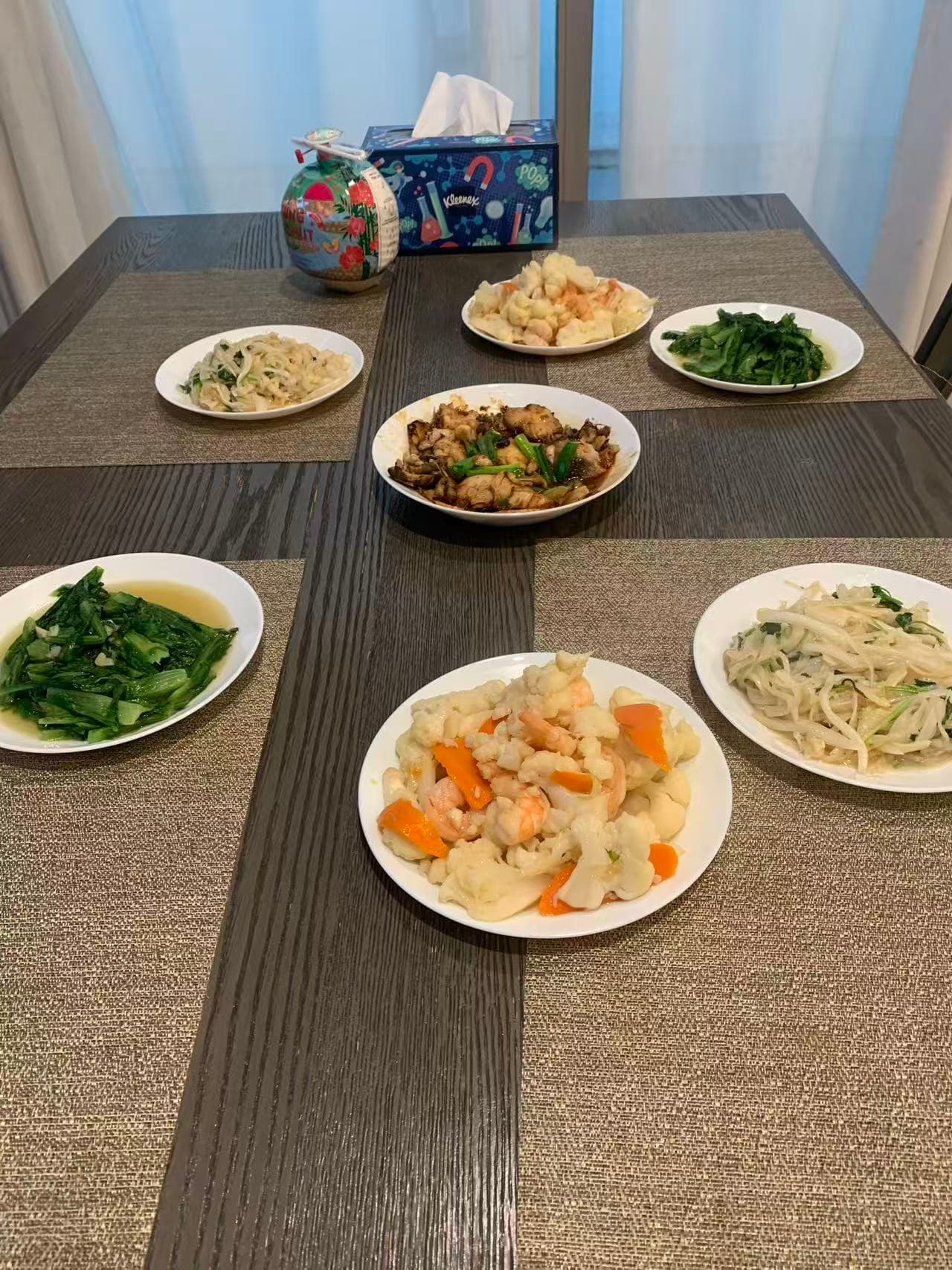
Her home-style cooking was also excellent—it was not the kind of miserable “postpartum meal equals flavorless food.” In her stir-fried cauliflower with shrimp and carrots, the shrimp provided me with high-quality protein; the cauliflower and carrots were brightly colored, and a sprinkle of chopped scallions made the dish appetizing as soon as it reached the table. Her stir-fried greens were crisp and never limp; her sliced meat with mushrooms was unbelievably fresh and flavorful. Auntie could prepare a full table by herself—six or seven dishes—with meat, vegetables, and soup all thoughtfully balanced. My husband and visiting relatives benefited too, and we cleaned our plates at every meal. What moved me even more was her attentiveness: whenever the baby made even a small sound at night, she woke before I did. She changed diapers, burped, and soothed the baby to sleep so gently, as if afraid of startling the air. Every day she recorded my temperature, lochia, milk supply, and the baby’s bowel movements, filling her notebook with notes. When I had a blocked milk duct and a fever, she got up in the middle of the night to help clear the blockage and apply cold compresses, staying awake until dawn without a word of complaint. Auntie Xie does not like saying pretty things, but she cares for you and your baby as if you were family. Her cooking, her foundation in traditional Chinese medicine, and her genuine sense of responsibility are worth the price—indeed, they exceeded my expectations.
If you are also looking for a postpartum nanny, especially if you care about postpartum qi-and-blood recovery and daily dietary conditioning, I sincerely recommend Auntie Xie. You will remember her soup for the rest of your life.