Loading

Longmei Guo (郭龙梅)
5.0·
Latest Job Seeking
Basic Information
Contact
You can also post on our platform to quickly reach over 10,000 caregivers.
Skill Assessments
✅ Assessed 6/6·🏅 Advanced 6/6
Communication & Collaboration
Infant Illness Care
Safety & First Aid
Childcare English
Child Development
About me
我是江苏常州月嫂,2019来美国从事月嫂工作。打过疫苗,做过体检,有工卡合法打工。我是个脾气性格温柔,开爽大方好的沟通的人。对宝宝充满爱心和耐心,护理工作细周到责任心极强, 对宝妈贴心舒心,做什么事情都能让宝妈和家人感到放心和称心。 在国内从2006开始从事月嫂服务工作至今己有20年,照顾过100多个新生儿👶 擅长照顾出生798克重至2000克的特早产儿即低体重婴儿,试管婴儿等双胞胎,多胞胎需特殊护的宝宝。在新生儿护理方面积累了丰富的经验。 在产妇护理方面,护理过很多个顺产和剖腹产的宝妈,还护理过糖尿病宝妈,通过饮食调理宝妈的血糖也降低了;还有乳头扁平凹的宝妈,通过手法纠正让宝宝吃上了母乳;还有缺乳少乳的宝妈通过我的科学专业的护理也都恢复了正常的母乳喂养。 另外在产妇的营养膳食制作方面,我都能根据宝妈的体质特征和口味爱好,烧制出各种宝妈喜欢的菜品和点心。在和宝妈的日常沟通交流上,我也是比较善于“察言观色”,能够熟练掌握产妇的心理疏通和调整方法。 月嫂工作职责: 一、全面负责新生儿的生活起居。 1、新生儿喂养。 2、新生儿洗澡。 3、洗涤新生儿衣服。 4、洗涤新生儿奶瓶、吸奶器等。 5、观察宝宝出生后的黄疸,大小便。 6、观察宝宝出生后的生理情况,如果有问题及时处理,并向客户汇报。 二、产妇: 观察生完宝宝后生理状态,指导产妇育婴基本知识,如:喂奶,拍嗝、洗澡、洗屁屁、婴儿游泳、给宝宝做按摩、抚触操,排气操等. 三、月子餐: 1、三顿正餐、两顿加餐、水果、点心等。 2、月子餐做完以后,负责厨房区域的清洁卫生。 四、婴儿房间卫生: 1、婴儿用品摆放整洁,规矩有序,日用消耗品及时补充。 2、婴儿房间垃圾及时清理。 五、 婴儿出门 备好外出必备物品,全程陪同照顾。 在月嫂服务的20的过程中,我用中西结合方法服务产妇和婴儿,我的专业和真诚、热情和周到的服务,赢得了客户和公司的高度认可和信任!我热爱这个行业,热爱每一个可爱的宝宝和宝妈,我一定会用真心服务好每一个和我结缘的宝宝和宝妈们!
Photos







Employer Reviews
5.0
8 employer reviews in the last 2 years
last month·SEATTLE, WA
Translated from Chinese·
I was busy before and have only just found time, so I’d like to share this with everyone.
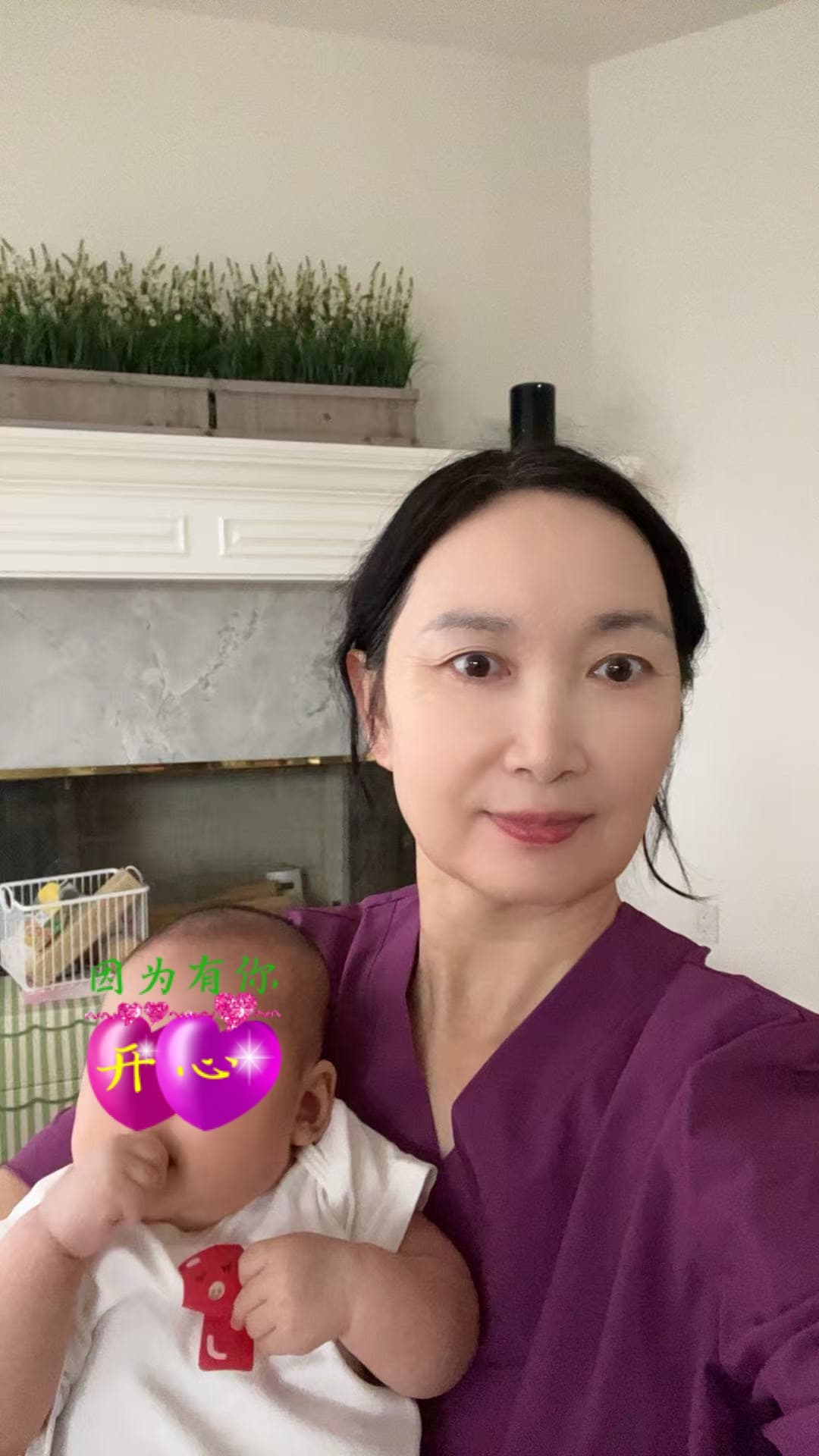
I took this photo on my baby’s one-month birthday. The person I most want to thank is our maternity nanny, Auntie Guo.
On the day our baby turned one month old, Auntie Guo wrapped him in a red onesie, and I took this photo. The baby is smiling so happily in it—during that month, I hardly ever panicked about “how to care for a baby.”
1. She cared for me first, then the baby
In the first few days after I was discharged from the hospital, my incision hurt so much that even turning over was difficult. The first thing Auntie Guo did when she arrived was not rush to hold the baby. Instead, she helped me lie down, propped up my pillows, and said, “You focus on recovering first. I’ll keep an eye on the baby.” At night, whenever the baby made even a small sound, she woke up before I did. She burped him, changed his diaper, and soothed him to sleep, only waking me when breastfeeding was needed. The night I had engorgement and a fever, she helped clear the blockage once every hour. While applying warm compresses, she said, “Don’t be afraid. I’ve seen this many times; once it clears, you’ll be fine.” I still remember those words.
2. I was completely at ease leaving the baby in her care
She disinfected the umbilical cord on time every day and watched for any bleeding; during the days the baby had jaundice, she monitored his milk intake and number of wet diapers and reported to me daily. Before diaper rash even appeared, she had already applied diaper cream. She taught me, “Dress a baby warmly, not heavily; feel the back of the neck to judge.” Now the baby has a regular routine and can sleep through the night, all because she established good habits from day one.
3. Every bite I ate reflected her skill in meal planning
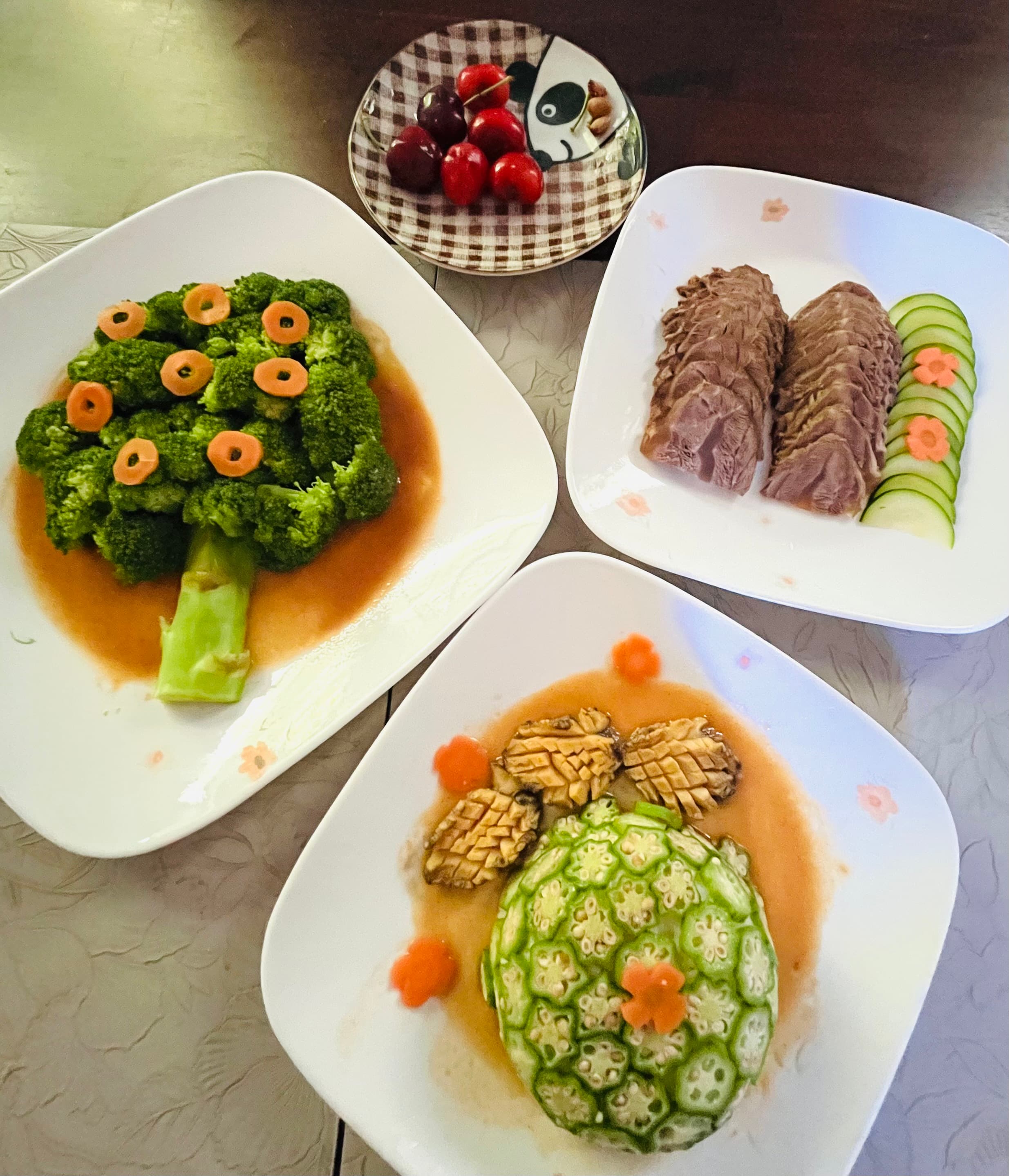
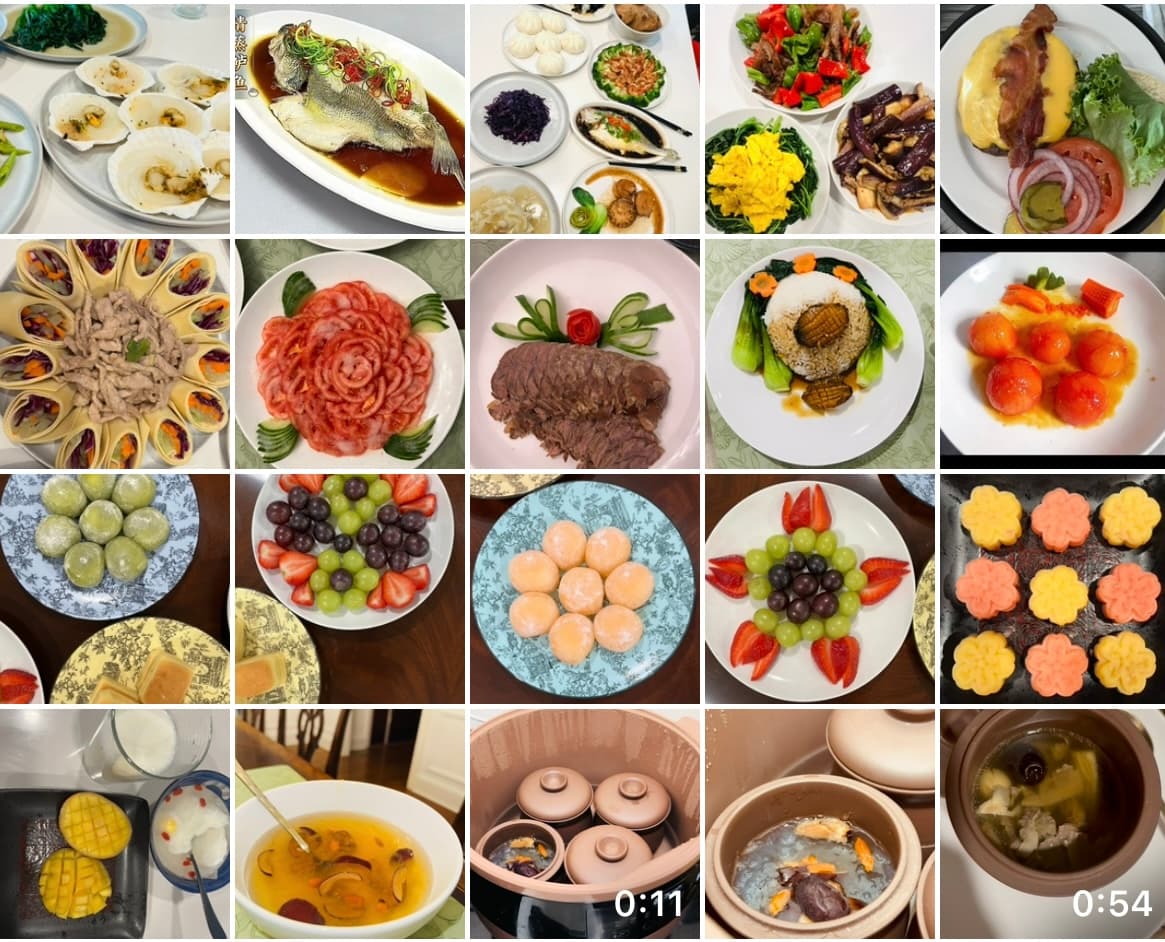
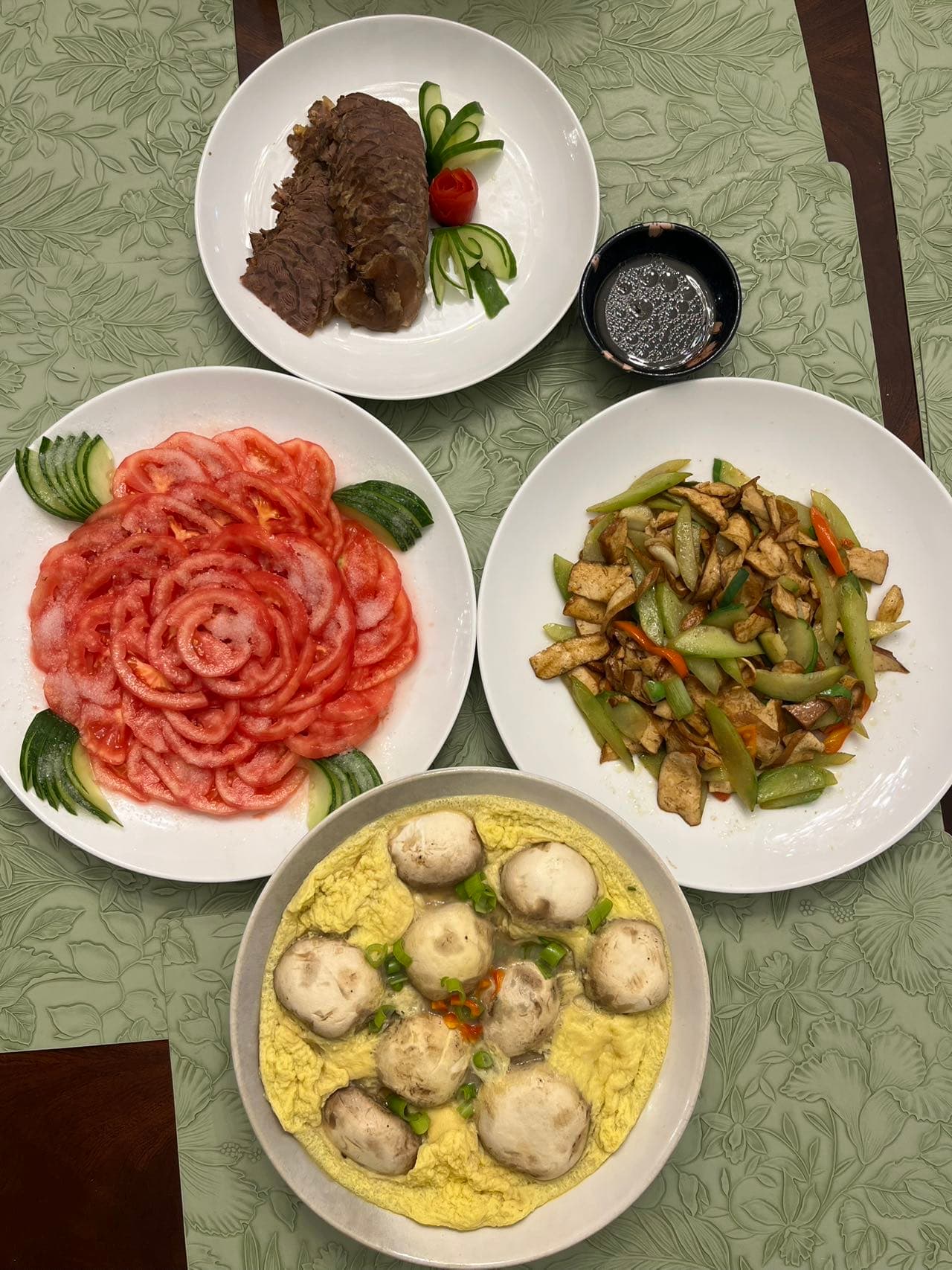
Her attention to food is all shown in these photos. For breakfast, there was a basket of soup dumplings with thin wrappers and a filling that was not greasy. She said, “Breakfast should be filling without weighing on your stomach. Have it with millet porridge and steamed egg. Your digestion is weak after giving birth, so avoid cold and hard foods for now.” For lunch, the egg fried rice had diced carrots, green peas, ham, and egg, with every grain distinct. She would say, “The more varied the colors, the more complete the nutrition. Carrots and egg yolks provide vitamin A and iron, which are just what you need now to restore the blood and energy you lost.”
Dinner showed her expertise best: scrambled eggs with tomatoes to stimulate the appetite and provide vitamin C; lightly stir-fried squash to keep the meal light and cut through richness; braised beef for iron and blood replenishment; and boiled shrimp, high in protein and low in fat, for calcium as well. She explained, “Since you’re breastfeeding, you need much more protein than usual, but you can’t overdo oily soups. Too much can make the milk thick and lead to blocked ducts.” The braised pork ribs were cooked until tender, with all excess oil skimmed off and the sauce used sparingly. “What you need at this stage is iron and collagen, not just something that tastes rich.” Every meal came with a staple food and a cup of warm water. Even the fruit was chosen for its warming qualities, cut up, and warmed before being served.
4. She even took care of my emotions
On the fifth day after giving birth, I suddenly started crying for no reason. She sat down at eye level with me and said, “You’re not being overly sensitive; your hormones are dropping. It’s okay to cry.” Those words helped more than any nourishing soup.
5. In one sentence
Auntie Guo does more than care for babies. She helped settle a panicked first-time mother and a chaotic household, making everything feel properly cared for. By the time she left, my complexion had returned and the baby was healthy and chubby. If I have a second child, she will be the first person I call—Auntie Guo, I sincerely recommend her. We were lucky to have met her.


郭龙梅's response
感谢遇见
last month·SEATTLE, WA
Translated from Chinese·
Two months ago, Auntie Guo first walked through our door; just recently, she finished her service with our family. Those sixty days took our whole family from being overwhelmed and scrambling to feeling truly at ease.
When it came to caring for the baby, Auntie Guo had the kind of steadiness that let you “dare to close your eyes.” When the baby first came home, the schedule was completely disrupted: frequent waking at night, and very hard to soothe when crying. My husband and I stayed up until our eyes were red. After Auntie Guo took over, she spent two days first learning the baby’s temperament, then adjusted things little by little: more tummy time, massages, and talking during the day; after nighttime feedings, she followed a set process for burping, swaddling, and dimming the lights. In less than two weeks, the baby could sleep for four or five hours at a stretch. She never cut corners on detailed tasks like umbilical-cord care, bathing, and preventing diaper rash. Throughout my confinement month, the baby never got water in their neck folds or developed a red bottom. What scared me most in retrospect was one time when she noticed the baby had little strength while feeding and seemed somewhat listless. She insisted we go to the hospital to have it checked, and it turned out there really was a minor issue that was addressed early. Her vigilance was far stronger than ours as new parents.
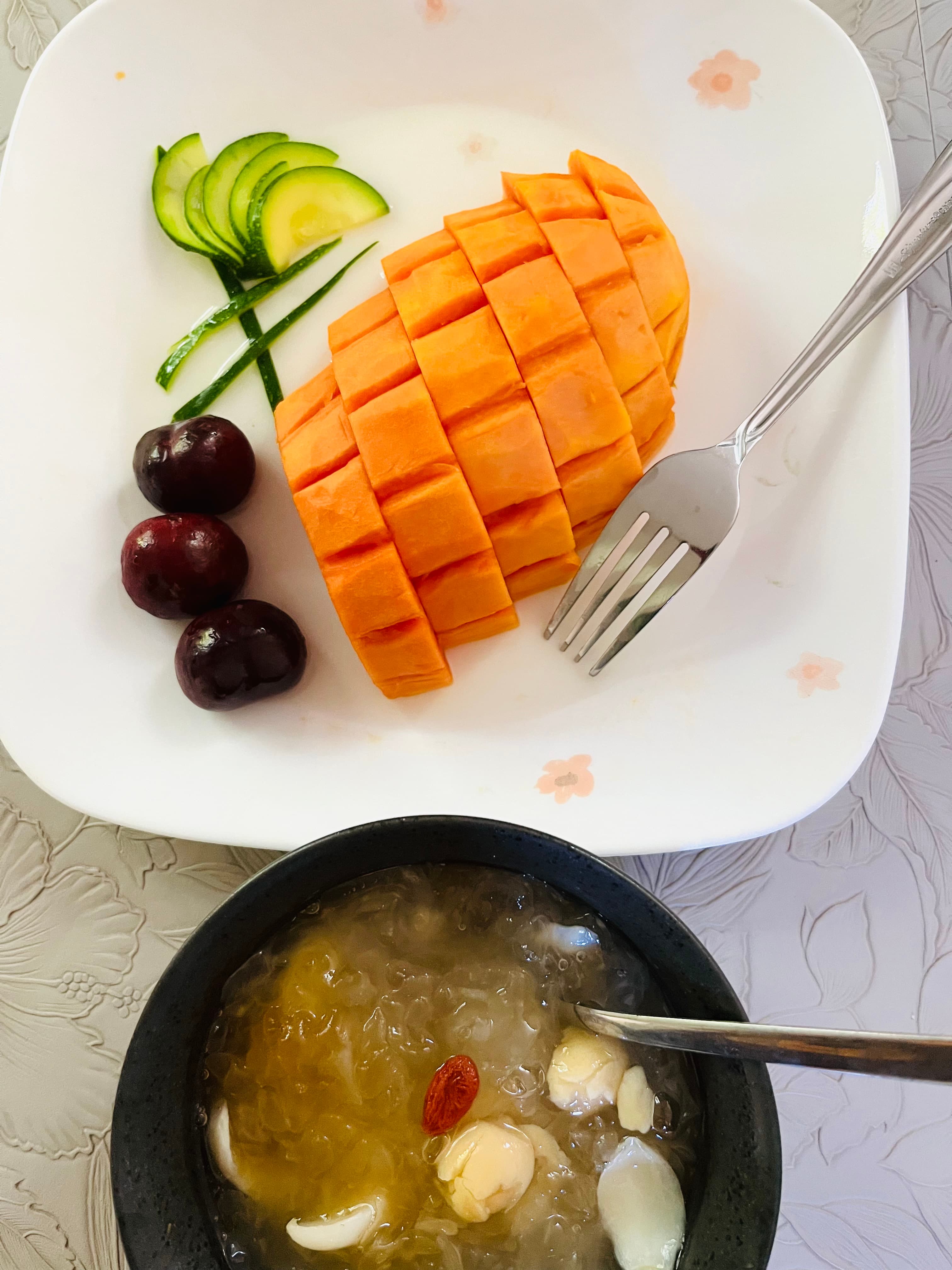
Postpartum meals were another of Auntie Guo’s greatest strengths. She never made overly greasy, heavy tonic foods; what she emphasized was balance and thoughtfulness. A circle of cucumber slices wrapped around meat filling, with a bowl of refreshing soup in the middle; alongside it, a pot of milky-white soup stewed with tofu, goji berries, and scallions; plus a plate of orange-yellow stir-fried shredded vegetables and white rice. The meal was colorful and nutritionally complete. Her best dish was one with green vegetables arranged in a flower shape and slices of shiitake mushrooms placed in the center. The leaves were laid out perfectly neatly and covered with a glossy sauce; when she brought it to the table, I could hardly bear to start eating. Breakfast was even more carefully prepared: a glass of milk with papaya pieces, a plate of orange segments surrounding blueberries, and several fried eggs with lightly browned edges—refreshing and appetizing. After sixty days of eating this way, my milk supply was plentiful, I looked well, and my weight never got out of control.
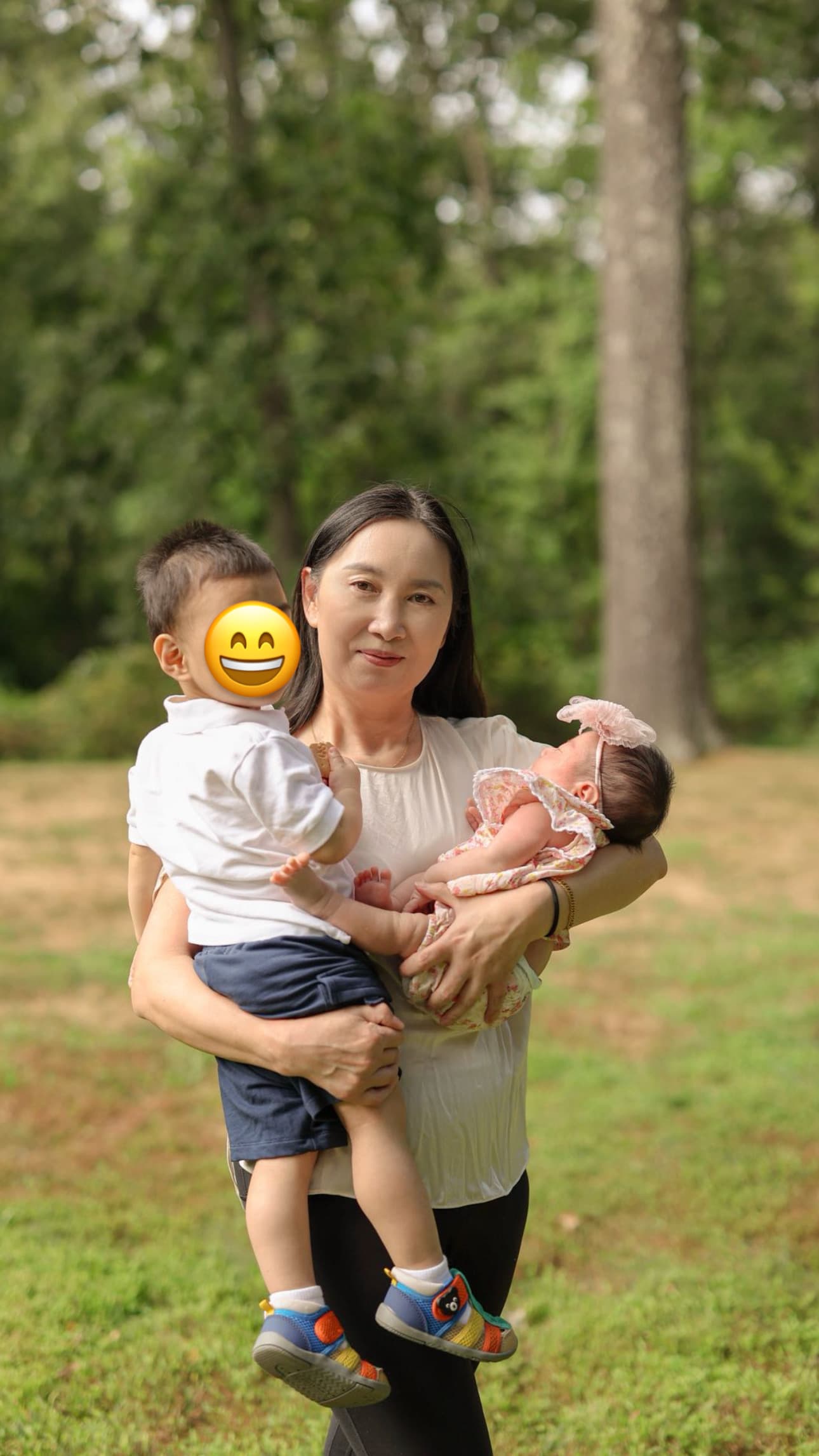
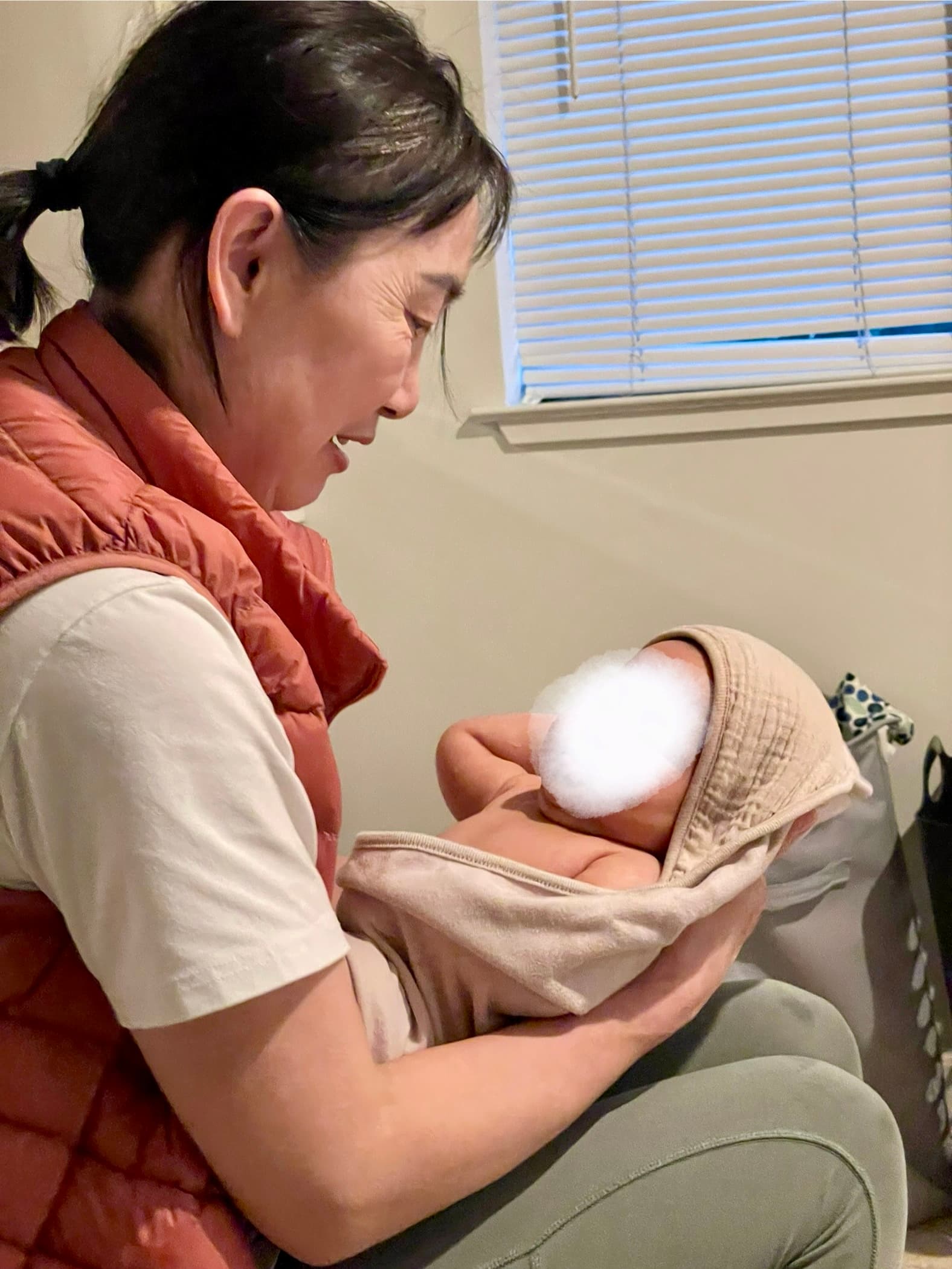
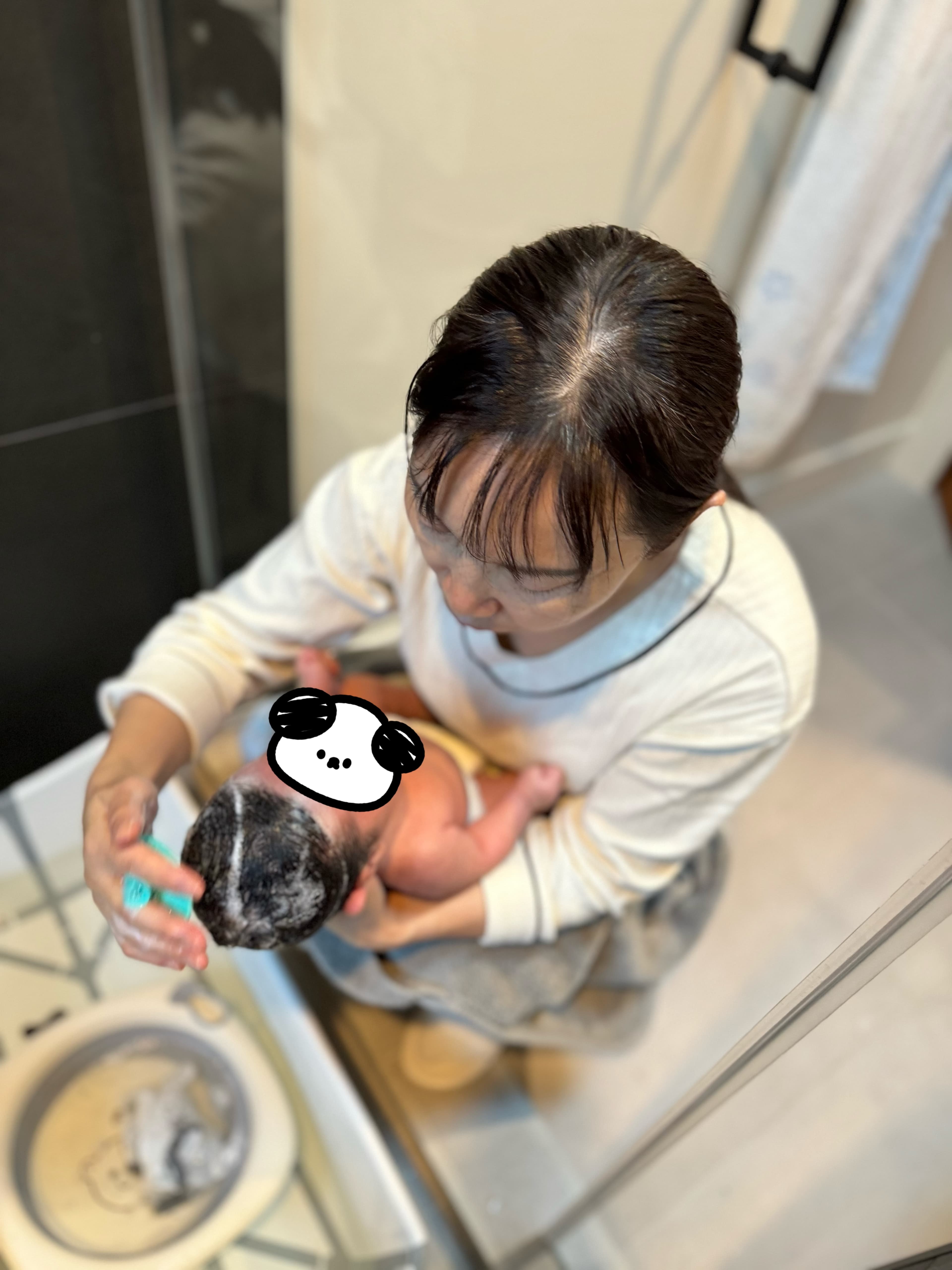
What I will remember for the rest of my life is the way she held the baby. In the photo, Auntie Guo is wearing red-framed glasses and a white top with a leaf pattern, holding the baby securely in her arms. The baby is wrapped in a light-colored blanket, quietly nestled against her chest. She was especially careful about her holding position—one hand supporting the head and neck, the other protecting the back and bottom, with the baby’s entire body curled up and supported. That was not a “work-style” way of holding a baby; it was the way someone holds a child when they truly care from the heart.
She never overstepped or made decisions for us. She taught while she worked: how to burp the baby, how to tell whether the baby was hungry or sleepy, and how to bathe the baby without getting water in their ears—she explained everything clearly. When I felt low during my confinement month, she never lectured me. She simply brought meals to my bedside so I could eat them while they were hot.
Two months is not very long. By the time Auntie Guo left, the baby had nearly doubled in size, and I had gone from being unable to turn over in bed because of incision pain to being able to take the baby out on my own. She is skilled, understands children, and is a genuinely down-to-earth person—meeting Auntie Guo was a blessing for our whole family. If anyone is looking for a postpartum nanny, she will be the first person I recommend.


郭龙梅's response
感谢遇见
3 months ago·LOS ALTOS, CA
Overall, we felt incredibly fortunate to be able to have Auntie Guo (Mia) with us. She truly loved our baby and took great care of our family. She was proactive and went above and beyond. She provided wonderful emotional support in addition to the usual excellent baby care. She was highly adaptable and can seamlessly integrate her approach with our family's needs and styles, including with helping to manage our grandparents' expectations. We would have loved to extend her longer but unfortunately for us the schedule was full. We highly recommend her and would love to have her come back when we have another baby.
At the start of our search process, we felt comfortable after our initial interview with Mia. She was very professional, responded quickly and thoroughly, and answered our concerns directly. My wife chose her because she seemed to have more emotional intelligence (EQ) and more skills beyond basic baby care. My wife did the majority of the communication with her. Even though my mandarin is weak, I was still able to have conversations with her using translations app.
Before she came to our home, we were in constant communication with her and she helped us get ready for baby's arrival and to think about the setup and process. When she arrived, she immediately took action to understand where everything is so she can care for baby right away.
She made it very easy and manageable to go outside together (doctor appointments, grocery shopping, restaurants, beach, park, outdoor stroll, date nights, etc). I am a very particular person and I was appreciative that she is also very clean and organized. She worked with me with a lot of other things around the house. She was also creative with her cooking and was able to utilize all my cooking tools to try to make different things. I got to have fun and learn new things as well.
At the end, my wife and I (and baby) were sad she was leaving us as we enjoyed having her in our home. We trust and respect Mia and want to thank her for her time with us.
郭龙梅's response
看完宝爸爸写的这些,我的眼泪在眼眶打转。与其说我温暖了你们,不如说是你们治愈了我。
这66天见证了宝宝从5斤多长11斤多,看着宝妈从虚弱到气质红润,我打心底里高兴。
感谢你们像家人一样尊重和照顾我,这份信任比什么都珍贵。月嫂这份工作虽然辛苦,但遇你们这样的雇主是我的福气。
以后宝宝有成长中小疑问,随时微我,我一直都在。
愿小公主健康快乐,全家幸福安康!心🩷”
9 months ago·LOS ANGELES, CA
我代表小眼眼Twinkle来夸夸她爱的郭奶奶啦!这一段时光,感恩能遇见您,感谢您的照顾与陪伴!当我写下这段文字时,心中充满了无比的温暖与不舍。
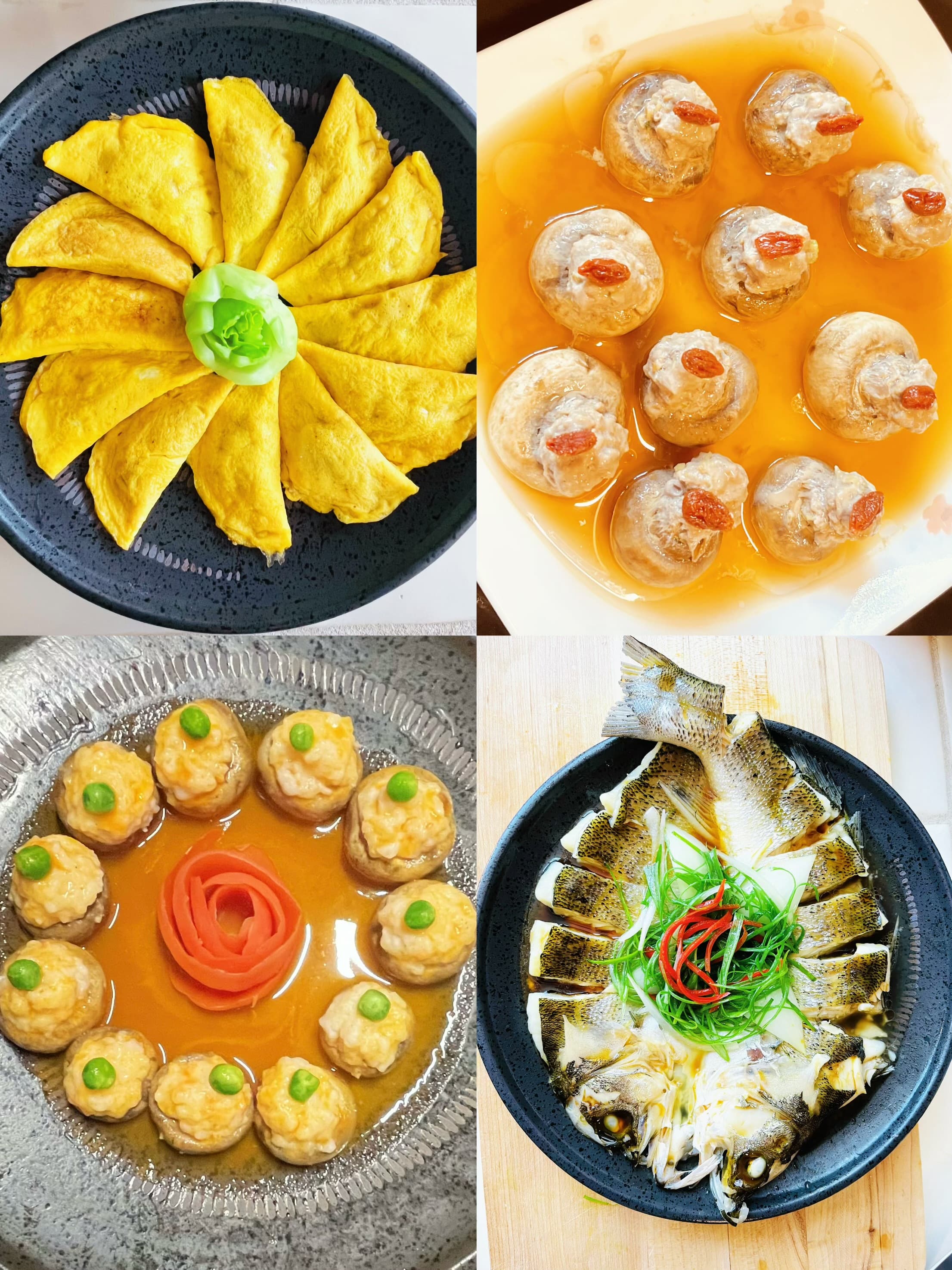
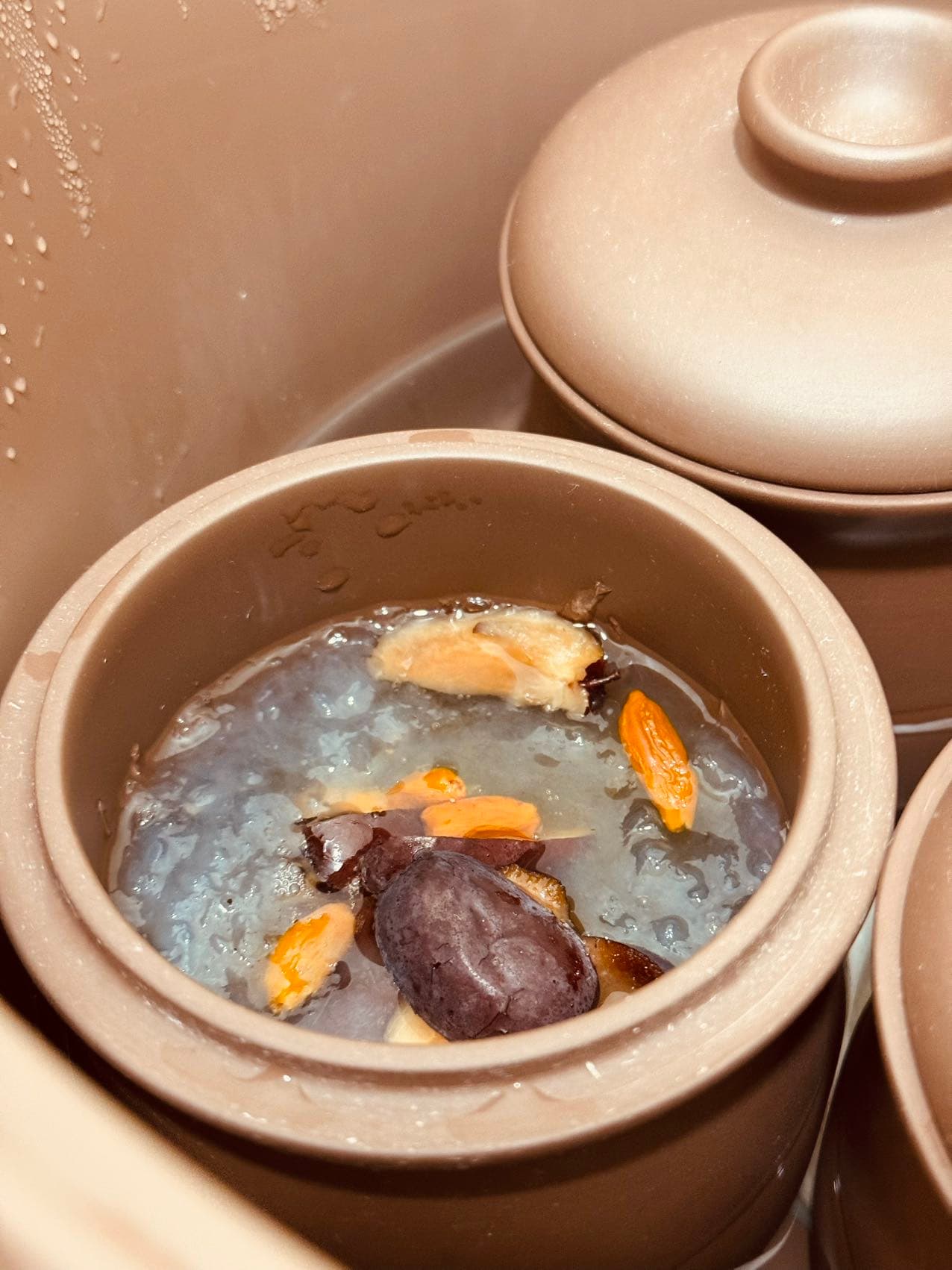
我们夫妻二人都还是在读学生,一直独自在美国。在我怀孕约16周的时候我就开始着手找月嫂,小Twinkle真是个幸运的小孩儿,很顺利就找到了郭奶奶!我们真的是非常幸运能有郭阿姨的陪伴帮助我们度过第一次产后这一慌忙不知所措、最需要帮助的一个月。郭阿姨每天都会帮我泡月子水,做的月子餐也非常用心,清淡但营养均衡,还会帮我炖银耳羹,每天花样搭配,帮助我顺利恢复身体。还记得我第一天出院回家前,郭阿姨就主动提出在家帮我把饭做好,让我一到家就吃到了热腾腾的饭菜。阿姨下户前还教会我老公蒸鱼,炸丸子,让我们家的食谱又多了两大硬菜。每一个细节都让我感受到了家人般的照顾,这些都凝聚着阿姨的辛勤付出和心血。
在这一个月间,郭阿姨把宝宝照顾得非常好,平时给宝宝喂奶、拍嗝、哄睡,再到换尿布,洗澡,都非常熟练温柔,动作轻柔细致。不管是白天还是夜晚,只要宝宝哭闹,她总是第一时间起身处理,让我既能安心休息恢复身体,还能忙里偷闲和老公溜出去逛街吃吃喝喝。记得刚出院那两天,我一直没有下奶,郭阿姨直接熟练地手动帮我进行了开奶,很快我们就见到了黄金初乳,郭阿姨还教我如何护理如何排空避免堵奶,让我的喂养过程十分顺利。宝宝期间出现了尿布疹,郭阿姨非常有经验,第一时间帮宝宝进行处理,晾屁屁晒屁屁,保持干爽通风,还连夜帮宝宝熬了蛋黄油,在郭阿姨的细心照顾下宝宝很快就明显好转。整个过程她都非常耐心,没有一丝慌乱,让我们特别安心。
作为新手爸妈,我们对带娃一窍不通,郭阿姨都会一步一步耐心教我们,这对于阿姨下户后我们能顺利接手至关重要。这一整个月,郭阿姨不仅是在工作,更像是在真心照顾一个家庭。专业、细心、有责任心,也非常有耐心和爱心。我想说,虽然眼眼在您怀里的时间,对于她的一生来说非常短暂,但是那些爱与信任的记忆,会在她的脑海深处伴随她的一生。您说您带过上百个小宝贝,我想,虽然对于您来说眼眼只是其中的一个小可爱,但对于眼眼来说,您是她这一生唯一的月嫂奶奶,是她初见这个世界,满是陌生和害怕时,是您用温柔的话语和温暖的怀抱安抚了无数个她只能用哭泣来表达需求的时刻,这段和您相处的时光,我们会一直记得。今天我们学着您的样子照顾眼眼,用您的方法哄她安抚她,而我也从得知您要离开时哭哭啼啼的小菜鸟慢慢明白了任何人的陪伴都是阶段性的,您教会我的不仅是照顾宝宝的方法,更是成为妈妈的勇气与担当。能遇到这样一位月嫂,是我们,更是宝宝的幸运,我非常期待我们能再次相会。最后,由衷祝愿我们的郭阿姨,眼眼的郭奶奶身体健康,工作顺利,马年吉祥,幸福加“马”!
郭龙梅's response
非常感谢宝妈和i宝宝对我工作的支持!
希望您们的小家庭越来越幸福美满!更希望眼眼小宝贝👶健康快乐!一生平安!
10 months ago·ARLINGTON, VA
我必须来好好夸夸我的月嫂郭姐,给正在找月嫂的宝爸宝妈一个真实的参考!
✨ 关于带宝宝:耐心细致到让我自愧不如
郭姐带宝宝,真的能让你见识到什么是“专业”。我们家宝宝出生时体重偏轻,一开始我特别焦虑。但郭姐来了之后,从换尿布、洗澡、做抚触、陪玩,到最难搞的哄睡,每一件小事她都做得无比仔细、充满爱意。
我很少看到她看手机,大部分时间,她的眼睛和心思都在宝宝身上。晚上宝宝喝完夜奶,我经常困得睁不开眼,但郭姐永远是精神饱满、温柔耐心地抱着宝宝直到宝宝踏实睡着。在她的照料下,宝宝吃得好、睡得好,体重蹭蹭往上长,很快追上了生长曲线,我这个老母亲的心才算彻底放下。
🤱 对宝妈的照顾:贴心到像多了个家人。
郭姐不只管宝宝,也把我照顾得特别好。每周变着花样给我做月子餐和甜品,银耳羹、水果茶就没断过。最感动的是,每次我喂奶,她都会默默给我披上毯子、递来温水,然后坐在旁边陪我聊天。那些漫长的哺乳时光,因为有了她的陪伴,变得没那么难熬。她还把我妈也教会了做各种汤水,说这样她走了之后我也能继续被照顾好,真的太周到了!
📚 不仅是干活,更是“授人以渔”
作为新手爸妈,我们总有十万个为什么。郭姐简直就是我们的“定心丸”,从奶量到睡眠,任何问题她都能用她的经验给我们清晰的解答,大大减少了我们的焦虑。快下户前,她系统地教了我们所有带娃技能,怎么拍嗝、怎么判断宝宝需求、怎么培养作息……手把手教学,毫无保留。这份“交接”的诚意,让我们在她走后不至于抓瞎。
🏠 眼里有活,让全家都“闲”下来
郭姐在的这段时间,是我产后最轻松的日子。宝宝睡着后,她从不闲着,不是洗晒宝宝衣物,就是整理房间。神奇的是,在她手下,带一个新生儿仿佛没那么可怕了,我和老公居然还有时间一起追剧、健身,每天能睡够8小时!全家状态都很好。
然而,这一切的岁月静好,在她下户第一周就“破功”了!我们全家三人带一个娃,手忙脚乱,平均每人每天只睡三四个小时。那一刻,我们才无比深刻地体会到,郭姐一个人默默承担了多少工作,而且每一样都做得那么好。短短几周,她已经像家人一样融入了我们。
郭姐快下户的时候,我哭得稀里哗啦。这真的不仅仅是雇佣关系,更像是一场温暖的托付与离别。她用了百分之两百的真心对待宝宝和我们全家,我们也回报以最大的信任和感激。
如果你也在寻找一位能让你安心坐月子、能真正教会你带娃、能让全家都轻松的好月嫂,郭姐这样的,真的可以闭眼入!她是那种你遇到,就会觉得“运气真好”的神仙阿姨。
郭龙梅's response
亲爱的宝妈您好 非常感谢您给予我的宝贵评价和肯定👍这一切都是我应该做好的工作!衷心祝福你全家新年吉祥如意 万事万顺利 鸿鹄齐天!
1 year ago·EAST NORWICH, NY
郭阿姨真的是一位特别专业、经验丰富的月嫂。大宝月子的时候就是她照顾的,这次二宝出生,她又再次来到我们身边。她对新生儿护理非常有经验,不管是饮食、睡眠、黄疸还是小状况,都处理得非常得心应手,让人特别放心。
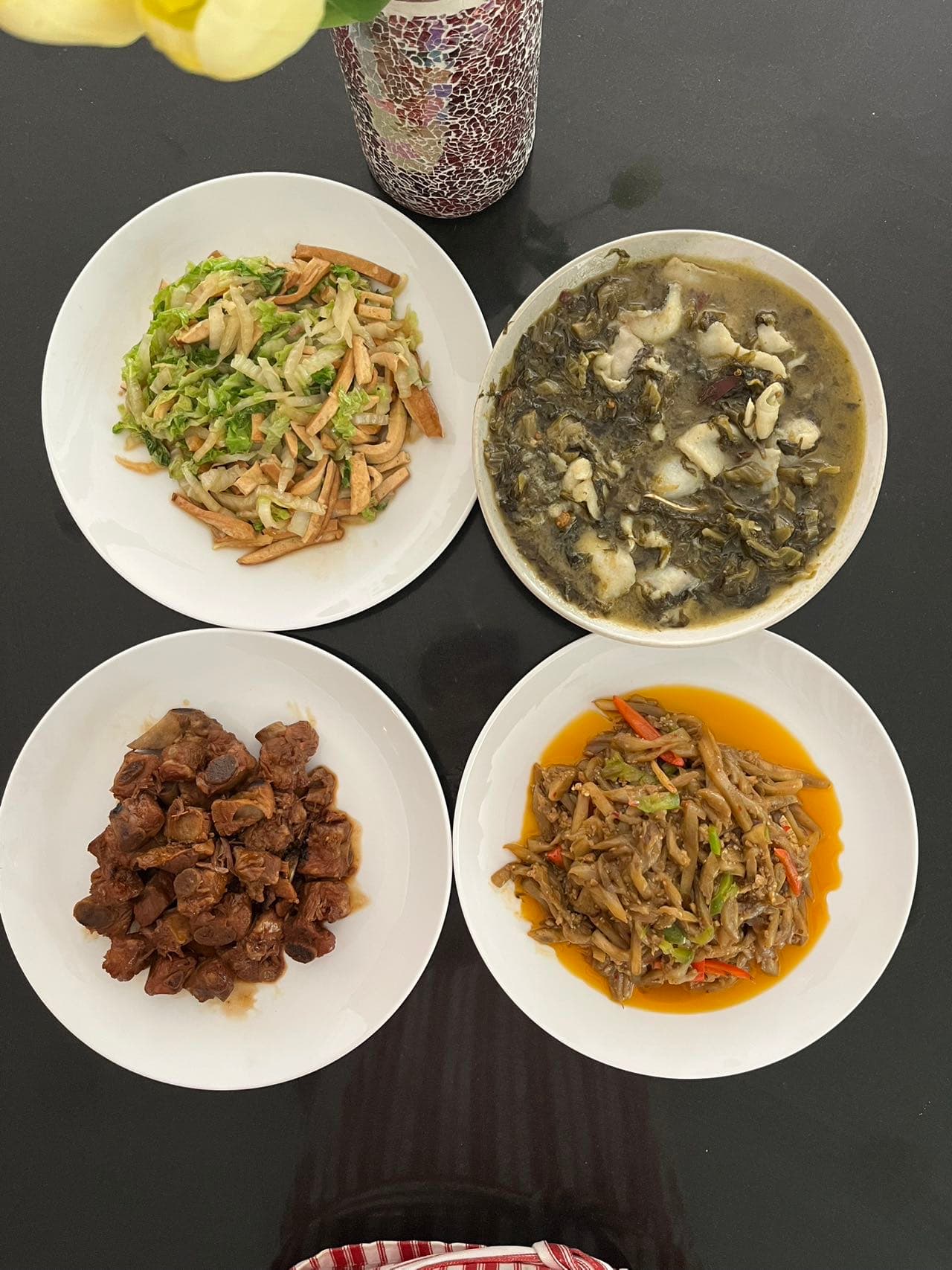
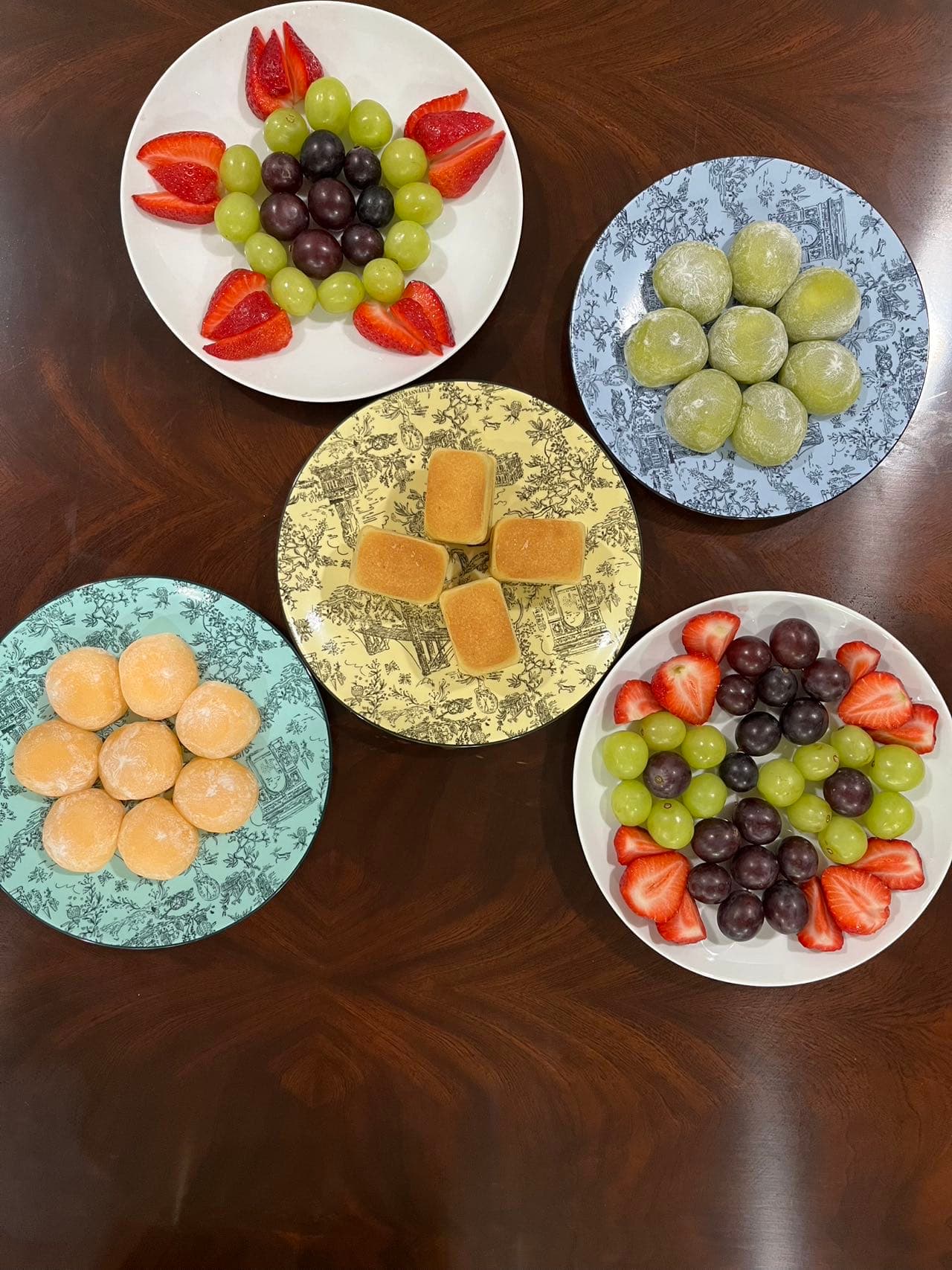
更让我惊喜的是郭阿姨的厨艺!她做饭特别好吃,每天都会根据我的身体恢复情况准备营养餐,菜式丰富又讲究搭配,不仅让我产后恢复得快,还让全家人都吃得很开心。很多时候她还会变换花样,让我在月子里也不会觉得单调。
她细心、耐心、责任心强,还能把家里打理得井井有条。两个月下来,二宝健康成长,我也顺利恢复,这都离不开郭阿姨的辛苦付出。
非常感谢她的照顾,有她在家里真的安心又温暖。如果朋友需要月嫂,我一定会第一时间推荐郭阿姨。
郭龙梅's response
非常感谢太太一家人的认可和信任与支持!
郭阿姨在此祝福太太越来越美丽动人🥰!
祝福先生事业有成,万事如意!
祝愿两个宝贝👶健康平安茁壮成长!
祝福您一家人身体健康平安喜乐洪福齐天
1 year ago·SAN JOSE, CA
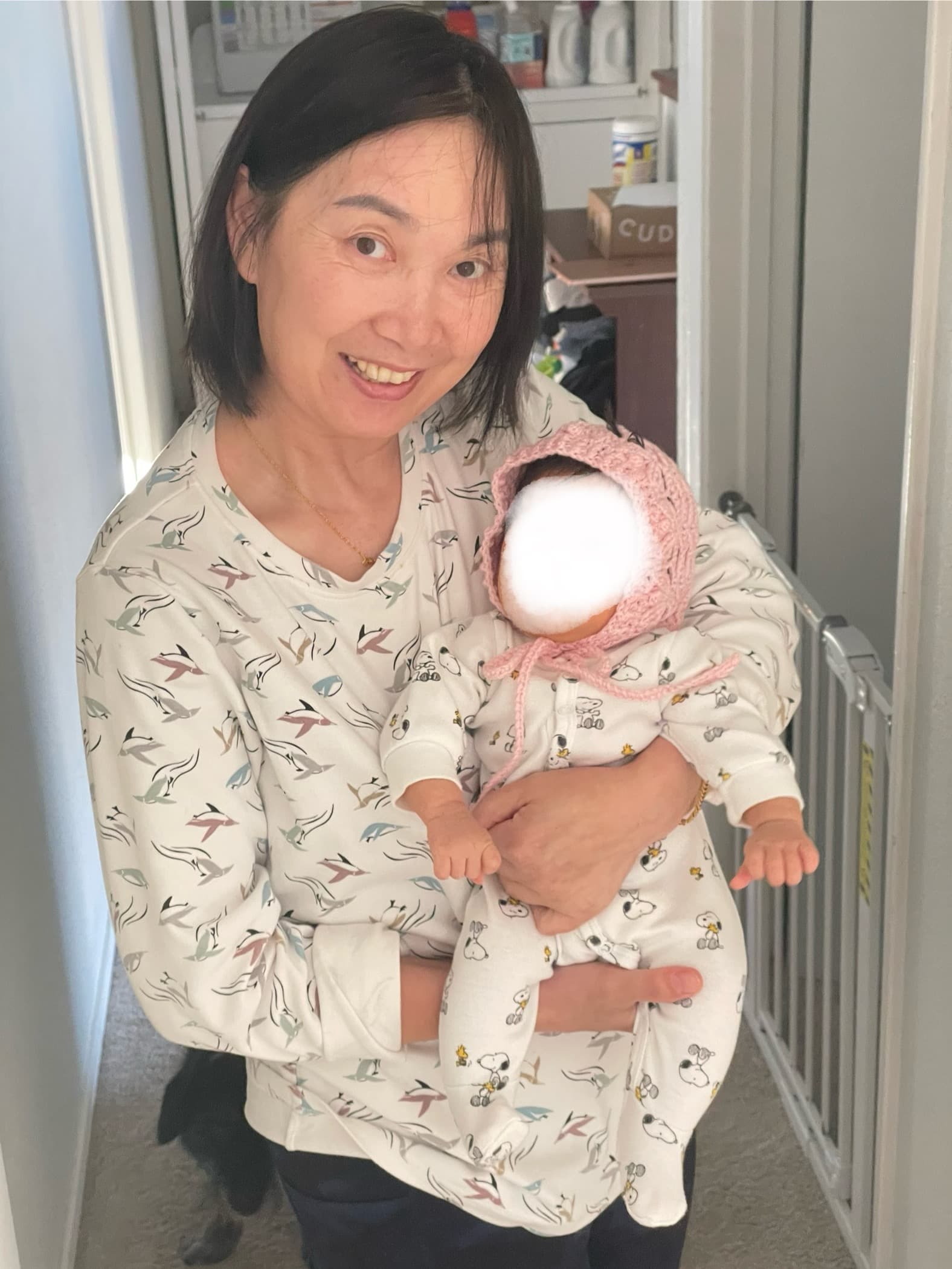
I hired Aunty Guo as our postpartum doula for three months. I had a complex pregnancy ending up in C-section and my baby left the hospital with jaundice. Thanks to Aunty Guo, who was exceptionally knowledgeable about postpartum care, both my baby and I recovered quickly. As a first-time mother, I also had many issues with lactation - first with undersupply, then oversupply - but under Aunty Guo’s care, I was able to catch up quickly with my baby’s needs and control my supply comfortably.
Apart from taking care of our health, Aunty Guo also helps with cooking and housework. I’m normally a picky eater, but thanks to Aunty Guo, I’ve enjoyed the food during my postpartum period. Not only is Aunty Guo a great cook, she is also perceptive and flexible. She notices and remembers how I like to season my food and is open to trying new recipes. Being homesick, I really craved Taiwanese food and Aunty Guo quickly learned and cooked Taiwanese sticky rice for our dinner one day.
All-in-all, my postpartum experience has been wonderful thanks to Aunty Guo.
(Furthermore, If you’re looking for a postpartum doula, I would recommend booking her early as her availability fills up quickly).





郭龙梅's response
亲爱的悦悦妈妈,谢谢您对我这个机会,让我照顾宝宝和您,这份恩情我啥时候都忘不掉!希望以后的日子里您们全家幸福美满开心快乐每一天!
1 year ago·SAN CARLOS, CA
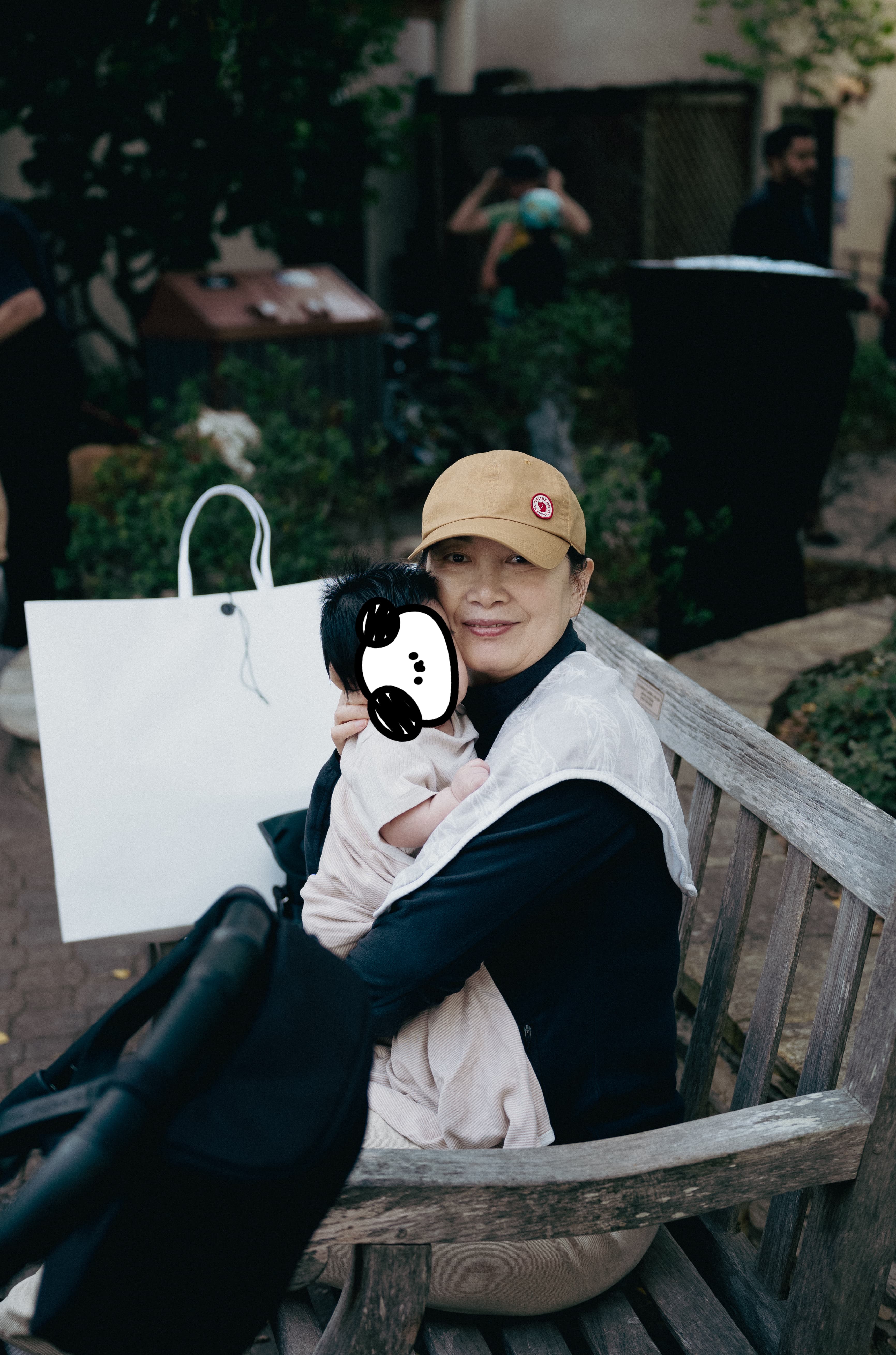
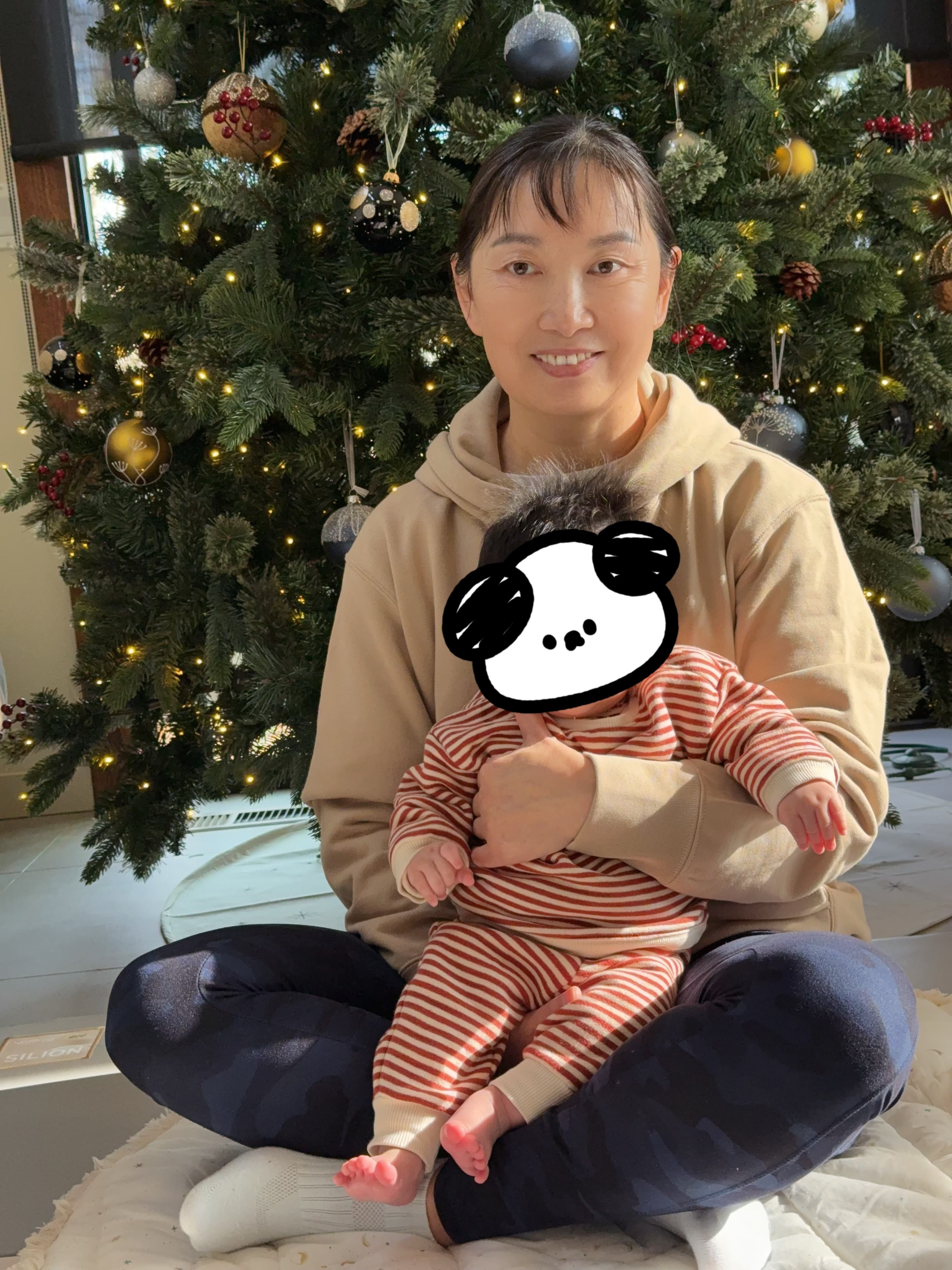
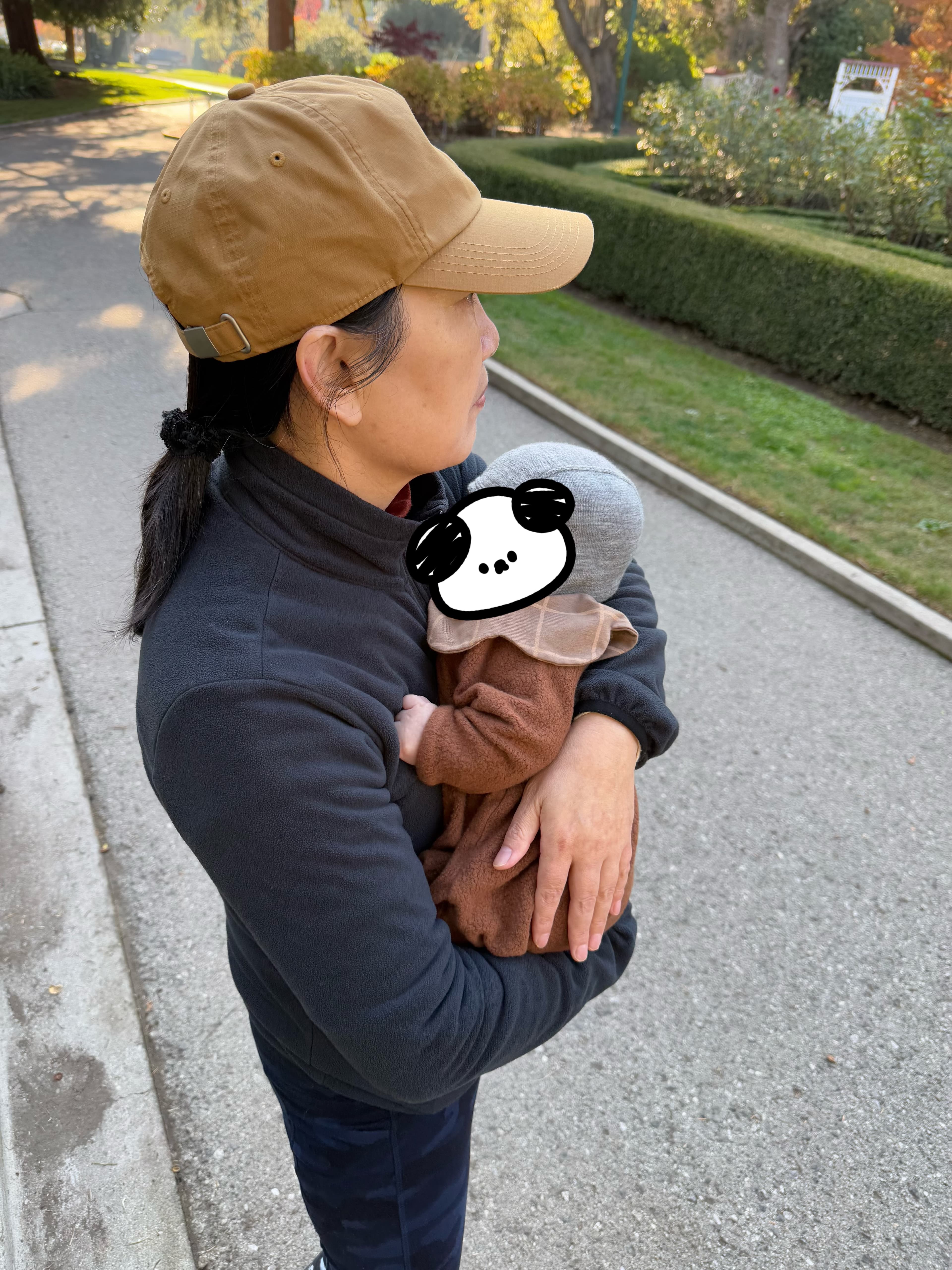
和老公两个人独自在美国,怀孕初期就决定找月嫂,第一眼看到郭阿姨就觉得亲切、有眼缘,面试后毫不犹豫决定请郭阿姨来帮我们三个月。感恩缘分,让我们非常幸运地找到了世界上最好的月嫂郭姐!!!非常感谢郭阿姨三个月的陪伴,不仅月子里帮我恢复身体每天煮月子水、泡脚、做科学营养餐,还帮我们把宝宝带得健康白胖出生两个月体重翻倍,85天收获了一个能吃能睡、情绪稳定、作息规律、能够自主入睡的天使宝宝!!
1. 带娃专业科学,有耐心、有爱心、特别温柔!
郭阿姨带娃非常有经验,很懂得科学带娃的流程和理念。懂得观察宝宝,根据不同的阶段调整奶量、喂养方式、早教,每天做喂养日记。动作轻柔,柔声细语,日夜的陪伴,和宝宝建立了很深的信任。
宝宝月子里就是纯配方奶,一天拉屎最多9次,郭阿姨每次都细致护理,一点也不烦躁,非常有耐心。
宝宝二月闹得比较厉害,没有别的问题情况下儿医不建议用益生菌,郭阿姨用耐心和爱心让宝宝平稳的度过了二月闹,合理拉长喂奶间隔,做排气操,抚触,安抚。
进入三月,帮助宝宝调整作息,白天吃玩睡,夜晚建立规律的睡眠仪式。宝宝90天左右,已经可以睡整夜觉,因为一直实施哄睡降级,到点嘘拍就可以自主入睡。省力又省心!
2.学习、沟通、适应能力强。情商高,情绪稳定,有边界感!
生活难免遇到各种大小事,和阿姨沟通都非常顺畅,大事上理解尊重我们的想法,同时又在小事上用专业知识经验缓解我们的带娃焦虑。学习和适应能力也很强,各种大小电器、宝宝玩具使用郭阿姨都很积极主动并耐心的学习,很快就能上手。每次和阿姨聊天都能感觉到她的高情商和年轻的思维模式,内核稳定,情绪稳定!尽管我们家里人不多,阿姨都非常注重边界感。郭阿姨人品和为人无可挑剔!
3. 做饭荤素营养搭配,美味、吃不腻!
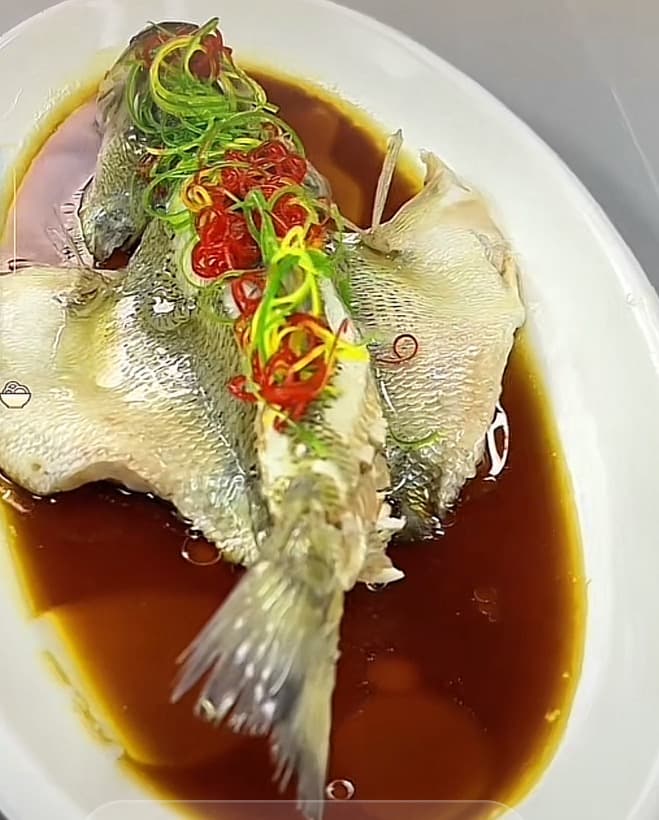
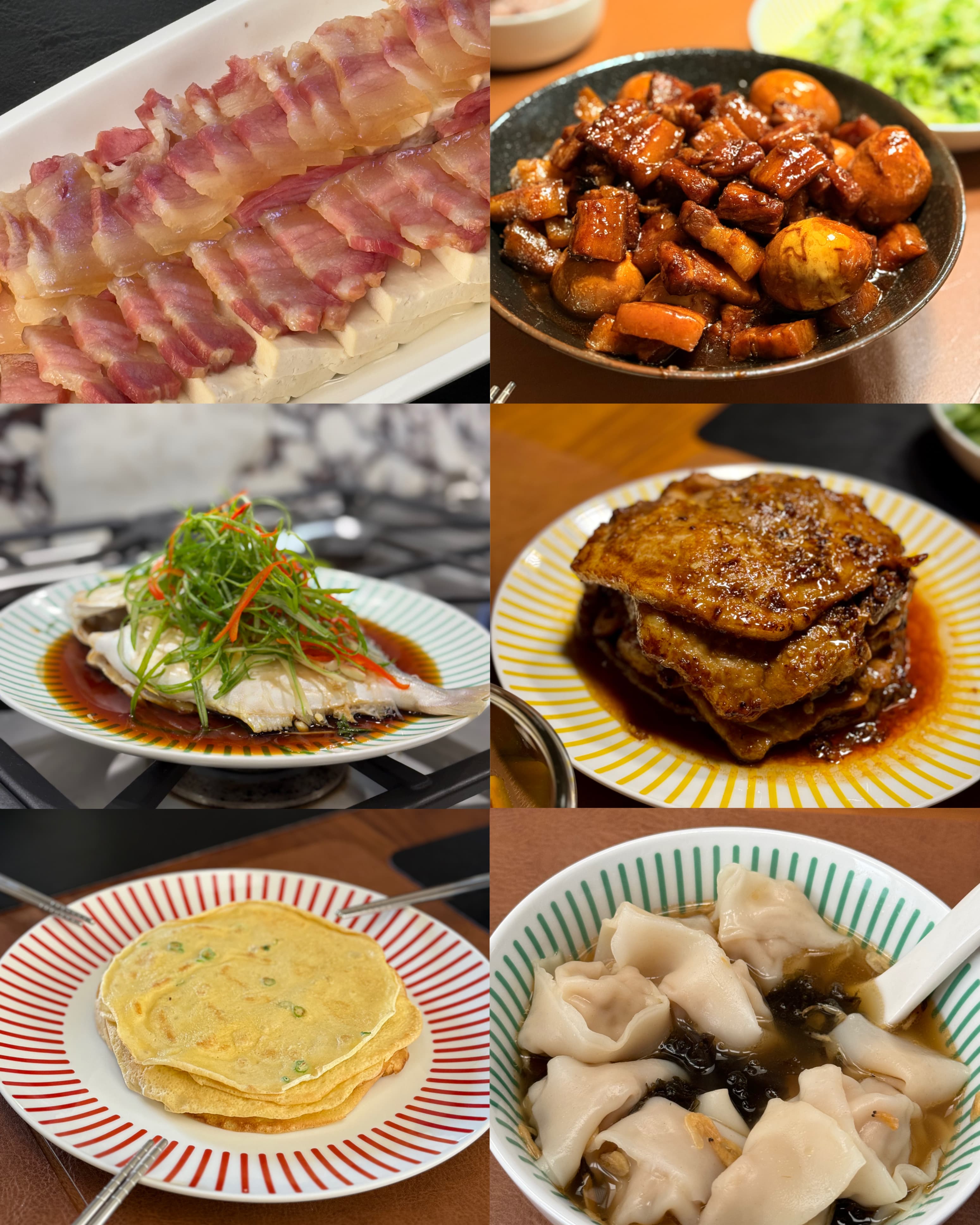
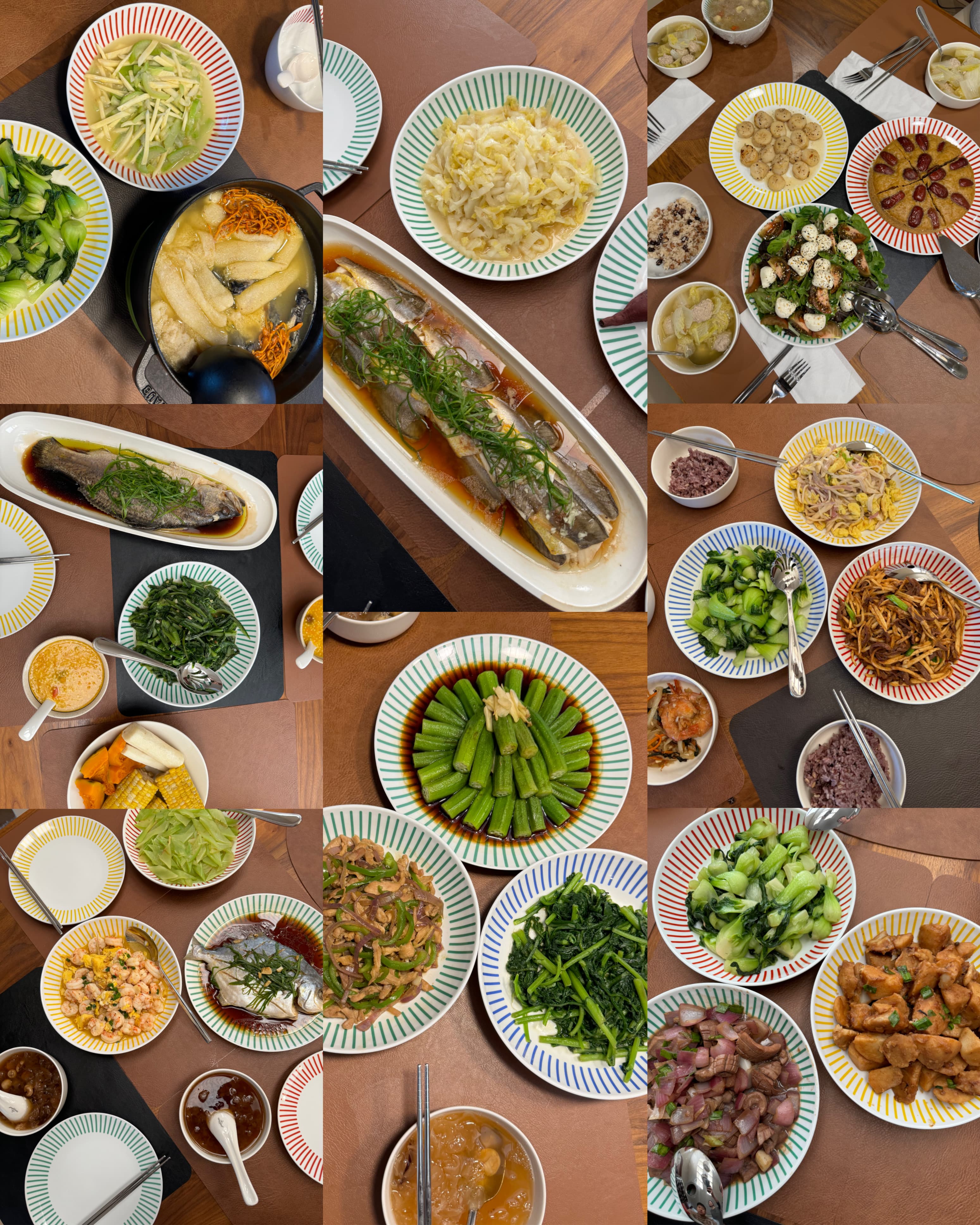
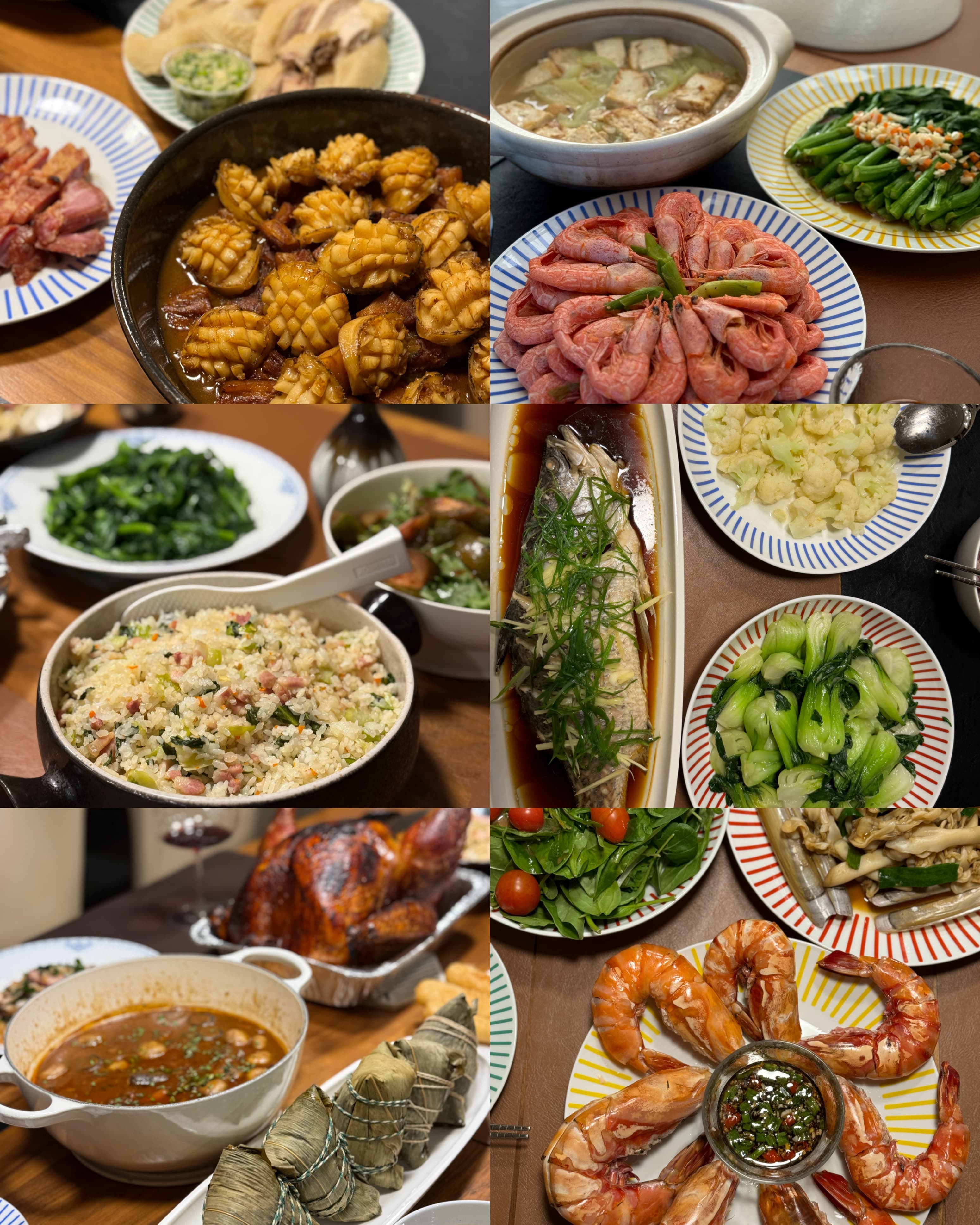
我们家日常少油少盐,郭阿姨根据我们的饮食习惯,换着方的做粗粮、早餐粥和蛋饼、蒸鱼、炖美容燕窝,色香味俱全又营养丰富。出月子不时给我们做些硬菜,鲍鱼红烧肉、红烧大排来解馋。时逢感恩节,郭阿姨提前一天备菜,准备了一整桌十个人的饭!!同时还不耽误带娃,简直时间管理大师和全能大厨!
4. 爱干净,爱收纳,眼里有活!
我们属于有洁癖、爱收纳的家庭,郭阿姨和我们一样!!日常收纳宝宝的各种衣物日用品,把宝宝房间、厕所、厨房打扫的非常干净,我们每天都有擦灶台的习惯,郭阿姨就每天做完饭都帮我们把厨房收拾的干净整洁,物品及时归位,做事有条理,很细心。
郭阿姨在我们家的这两个多月里,除非紧急基本不玩手机,每时每刻都在干各种各样的活,不仅帮我们做了很多额外的家务活,出门溜娃期间也十分给力。
我们非常感恩郭阿姨三个月的陪伴,不仅教会我们带娃,还给我们带来了无尽的温暖!郭阿姨的优秀品质值得我们学习!不仅是我们,宝宝也会感谢这份恩情!三个月转瞬即逝,舍不得这段时光,祝福郭阿姨未来每一天都幸福安康!
郭龙梅's response
亲爱的悠悠爸爸妈妈,没有您们的信任和支持,我哪能这么顺利工作!就像鱼儿离不开水,我也离不开您们!有您们的支持我一定好好干,照顾好好每一个宝宝和宝妈!
Reviews from over 2 years ago
The reviews below are more than 2 years old, so they are no longer included in the overall rating shown above. Only a short preview of each is currently shown; after payment, you can read every review in full. If you’re seriously considering hiring 郭龙梅, these earlier reviews can help you build a fuller picture of their past work.
Please open in browser to view
👉 Tap ⋯ in top right → Open in Browser
2 years ago
“夸一夸我的好…”
2 years ago
“必须夸夸我的…”
3 years ago
“郭阿姨做事非…”
3 years ago
“郭阿姨在我们…”